Fabrics
Can You Steam a Down Jacket?
Yes, from ten inches, briefly. The shell is not the problem — what is inside it is.
By Scooter M., enthusiast, crease control · Published
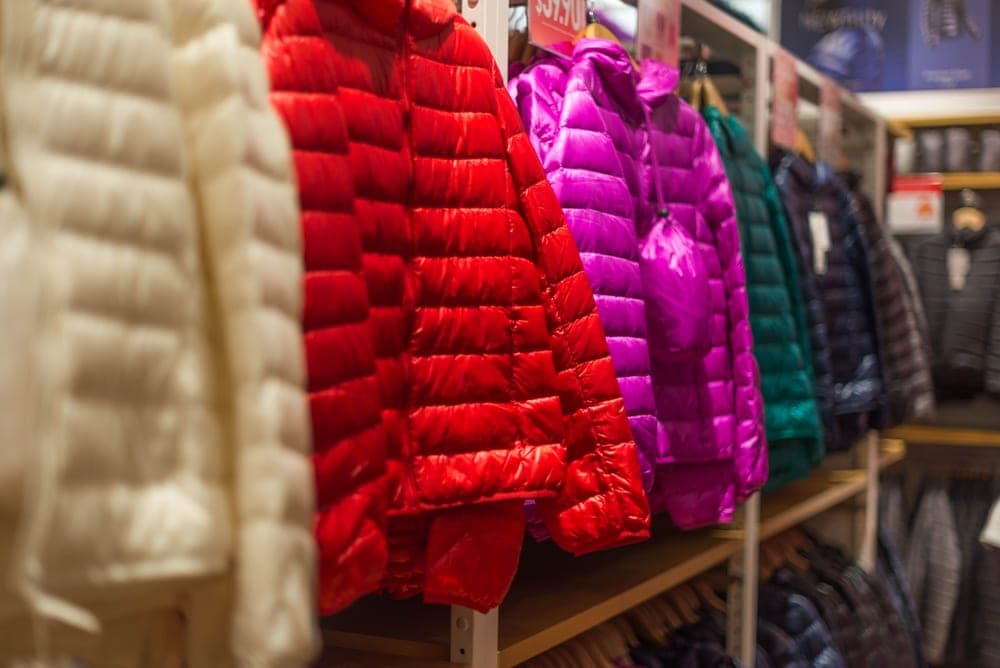
Yes, briefly, from eight to ten inches on a medium setting. The nylon or polyester shell takes steam perfectly well. The risk is moisture reaching the down or synthetic fill inside the baffles, where it clumps the clusters and flattens the loft that keeps you warm. Keep it short, keep it far, and let the jacket dry fully hanging.
We earn a commission if you buy through the links on this page, at no extra cost to you. It does not change which steamer we rank first — the ranking comes from published specifications and the arithmetic on our method page. We have not tested these units. Full disclosure.
Loft is the thing you are protecting
A down jacket keeps you warm because thousands of down clusters trap air. Wet clusters collapse and stick together, and a jacket with clumped fill has cold spots exactly where the clumps are. This is why down sleeping bags come with such emphatic drying instructions and why a rained-on puffer feels useless.
Synthetic fill is more forgiving — polyester fiber does not clump the way down clusters do — but it still mats under moisture and pressure. Neither fill benefits from steam; you are steaming the shell in spite of the fill, not because of it.
What steam is actually good for here
- Storage fold lines in the shell. A puffer compressed in a bag for a season has hard creases in the fabric between baffles. Steam releases them quickly.
- Flattened baffles after packing. Brief steam plus hanging helps the baffles round out again, though shaking and a low tumble do more.
- Freshening. Steam knocks back stored-in smells without a wash, and washing a down jacket is a genuine chore.
The technique
- 1Hang the jacket on a broad hangerZipped up, so the panels hang in the shape they are meant to hold.
- 2Steam from eight to ten inches, moving constantlyNever hover. You want the shell warmed and briefly damp, not soaked.
- 3Shake it out between passesThis is what redistributes fill and restores loft — more than the steam does.
- 4Dry it fully hanging, for hoursDown holds moisture in the middle of a baffle long after the shell feels dry. Do not put it away until it is properly dry.
Watch the coating
Most shells carry a durable water-repellent finish, and many have taped or welded seams rather than sewn ones. Prolonged heat is unkind to both — the tape adhesive softens and DWR performance degrades with heat and abrasion. Another argument for brief passes from a distance.
Steamers that suit a puffer
Ranked on published specifications. Tap a row for the full write-up; the price button goes to Amazon.
| # | Product | Best for | Spec score | Price |
|---|---|---|---|---|
| 1 | 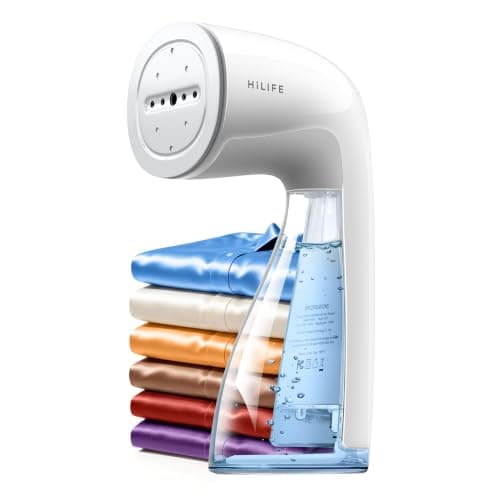 HiLIFE HL9 1100W Steamer300 ml, 1,100 watts and 30 seconds — the HL7's three weaknesses answered. HiLIFE HL9 1100W Steamer300 ml, 1,100 watts and 30 seconds — the HL7's three weaknesses answered. | The largest tank on a mid-power handheld | 6.2/10 | |
| 2 | 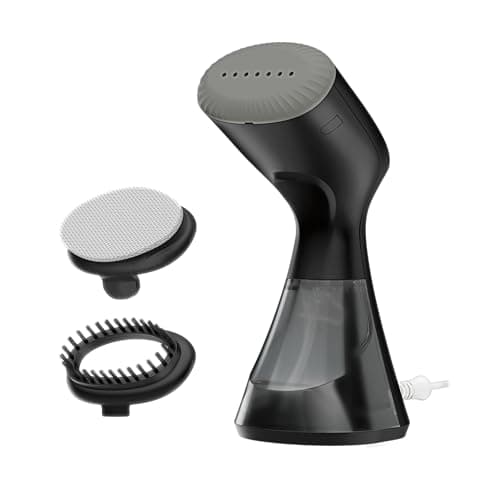 Conair 1100W Compact Steamer GS811.3 pounds and 30 seconds to steam — with a tank figure Conair does not publish. Conair 1100W Compact Steamer GS811.3 pounds and 30 seconds to steam — with a tank figure Conair does not publish. | Small spaces | 6.1/10 |
Questions people actually ask
+Can you steam a puffer jacket?
Yes, briefly, from eight to ten inches on medium. The shell takes steam well; the risk is moisture reaching the fill inside the baffles, where it clumps and flattens the loft.
+Can you steam a down jacket?
Yes, with the same caution. Keep passes short, keep the head far back, shake the jacket out between passes, and let it dry fully hanging — down holds moisture inside a baffle long after the shell feels dry.
+How do you get creases out of a puffer jacket?
Brief steam from a distance releases the shell creases, but shaking it out and a low-heat tumble with a couple of tennis balls does more for the flattened baffles than steam can.
Sources
- FTC Care Labeling Rule, 16 CFR Part 423 (eCFR) — accessed September 2026