Steaming vs Ironing Dress Shirts
Steam the body and sleeves; press the collar, cuffs and placket. Why, and how.
Top pick
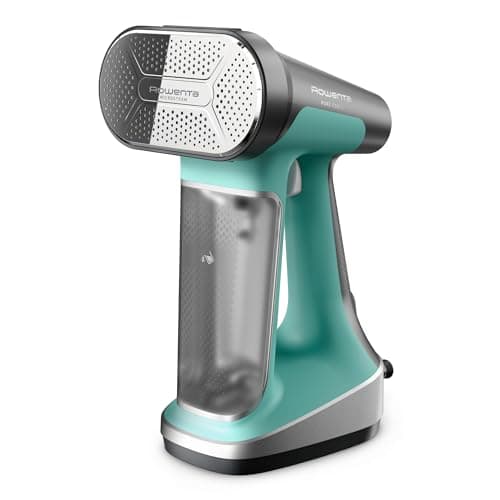
Rowenta Pure Force 2-in-1 DR8822
$79.95 · View on Amazon
#ad · how this is funded · price as of September 16, 2026
Hub
There is no single winner. There is a fabric-by-fabric verdict, and for half your wardrobe it goes the way most people do not expect.
By Scooter M., enthusiast, crease control · Published
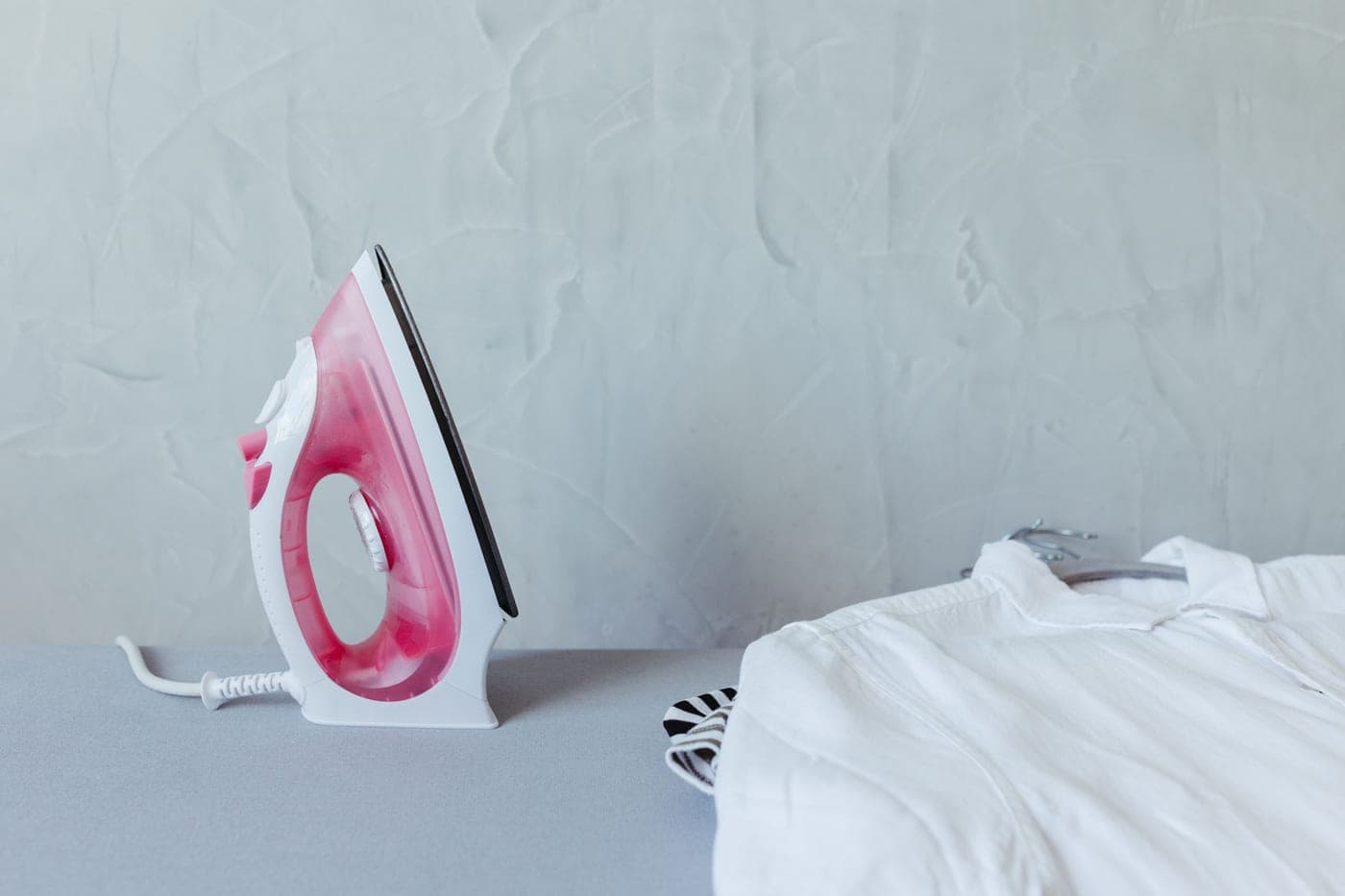
A steamer relaxes wrinkles; an iron resets the fabric into a new shape. That single difference decides every case. Steam wins on wool, polyester, silk, knits and anything hanging or structured. An iron wins on linen, heavy cotton, and anywhere you need a genuine crease — a trouser leg, a collar point, a shirt cuff. Most households genuinely want both, and the useful question is which one you reach for first.
| Fabric | Winner | Why |
|---|---|---|
| Wool and tailoring | Steamer | Wool's crimp recovers on its own; an iron flattens it and can glaze the cloth |
| Polyester | Steamer | A thermoplastic — direct iron heat glazes or melts it |
| Silk | Steamer | Scorches under dry heat; steam never touches the fiber |
| Satin | Steamer | The sheen is surface floats; pressing dulls them permanently |
| Chiffon | Steamer | Too light to iron well; steam handles it in seconds |
| Velvet | Steamer, from the reverse | Any pressure crushes the pile for good |
| Knitwear | Steamer | Ironing flattens the loft that makes a knit warm |
| Cotton shirts | Split | Steam the body, press the collar and cuffs — detail here |
| Denim | Steamer | For softening. Neither tool does much else to heavy twill |
| Linen | Iron | Flax has no elastic recovery — it must be held in shape while drying |
| Heavy cotton twill and canvas | Iron | Too dense for vertical steam to reach the middle of the cloth |
| Trouser creases, anywhere | Iron | A crease is created by pressure. No vertical steamer can make one |
Every fabric name links to the full page for that fiber, with settings, distances and what goes wrong.
We earn a commission if you buy through the links on this page, at no extra cost to you. It does not change which steamer we rank first — the ranking comes from published specifications and the arithmetic on our method page. We have not tested these units. Full disclosure.
Steam the body and sleeves; press the collar, cuffs and placket. Why, and how.
Top pick
Rowenta Pure Force 2-in-1 DR8822
#ad · how this is funded · price as of September 16, 2026
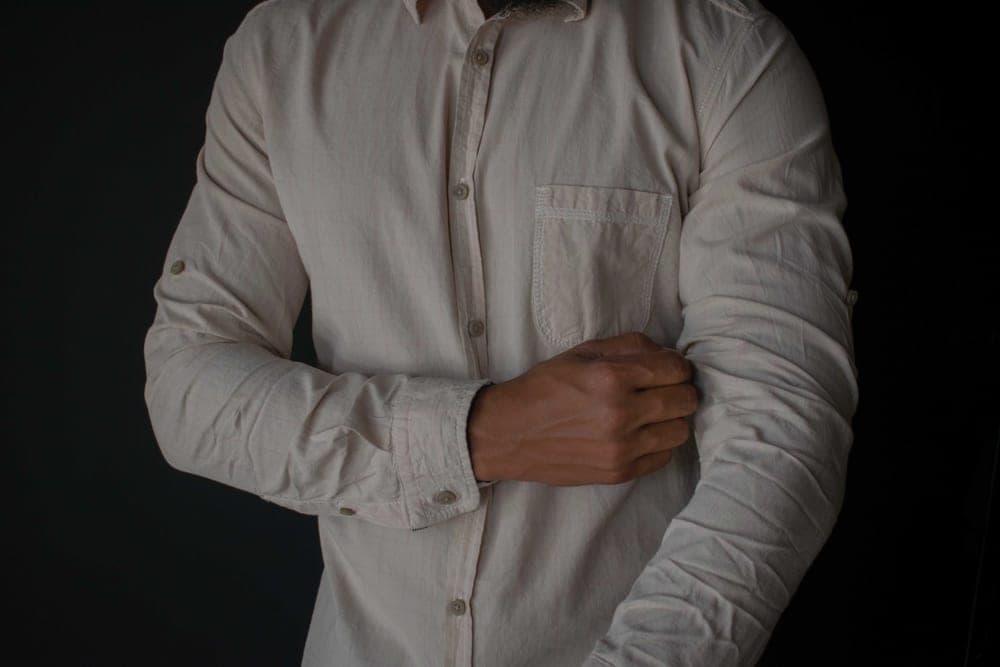
The iron wins, decisively. Why flax needs pressure, and how to press it properly.
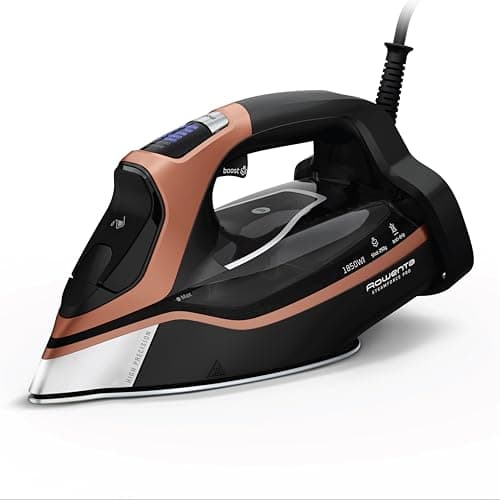
Top pick
Rowenta Steam Force Pro DW9580
#ad · how this is funded · price as of September 16, 2026
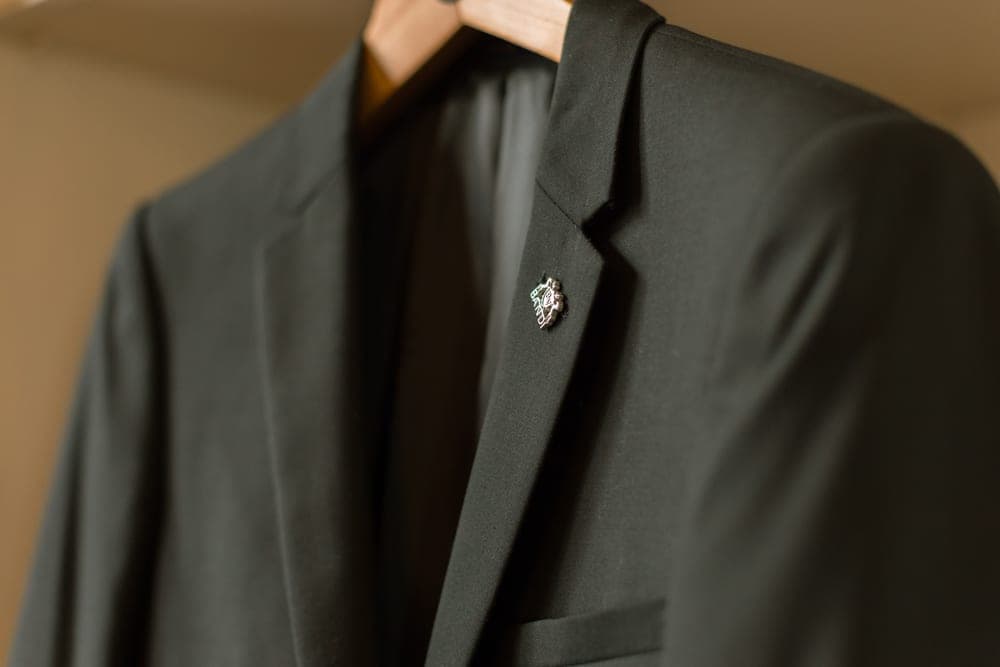
Steam the jacket — an iron flattens construction. Press the trousers for the crease.
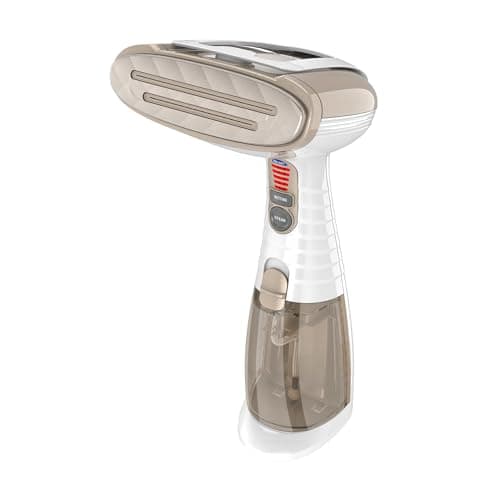
Top pick
Conair Turbo ExtremeSteam GS59
#ad · how this is funded · price as of September 16, 2026
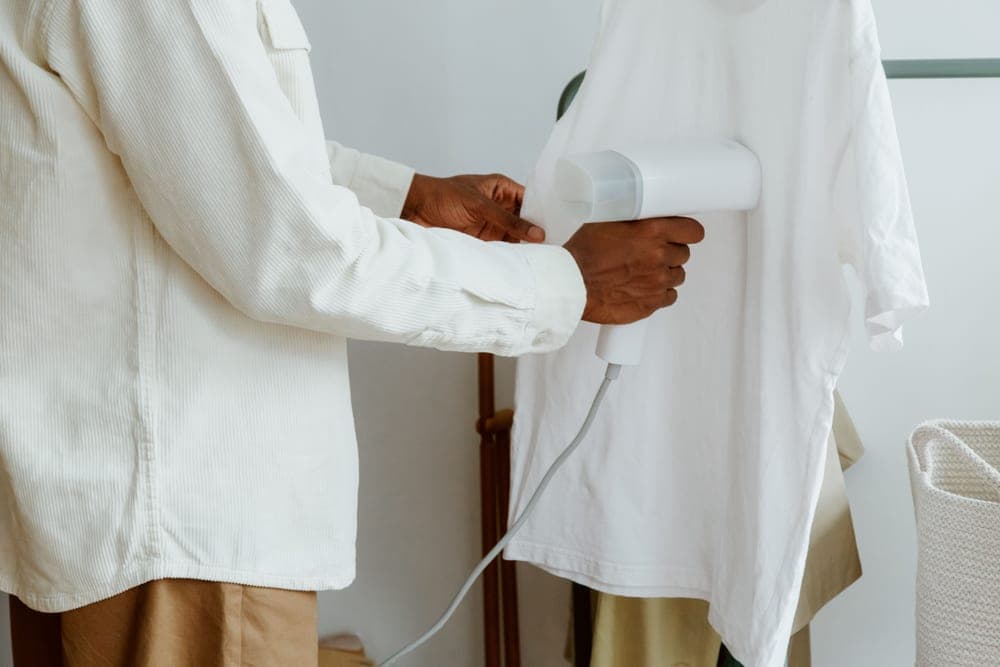
What a handheld gains over an iron, what it gives up, and where the 2-in-1 sits.
Top pick
Conair Turbo ExtremeSteam GS59
#ad · how this is funded · price as of September 16, 2026
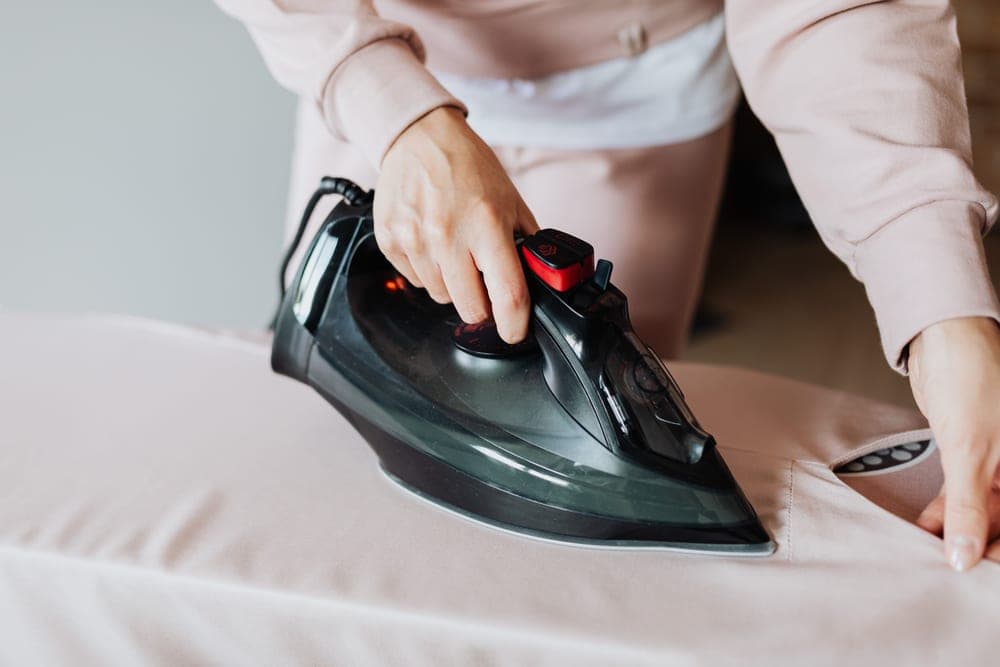
What a press does that neither a steamer nor an iron can, and what it cannot touch.
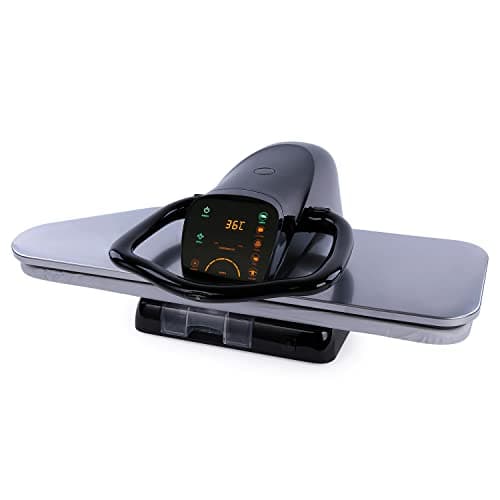
Top pick
LACIEL 34-inch Steam Press
#ad · how this is funded · price as of September 16, 2026
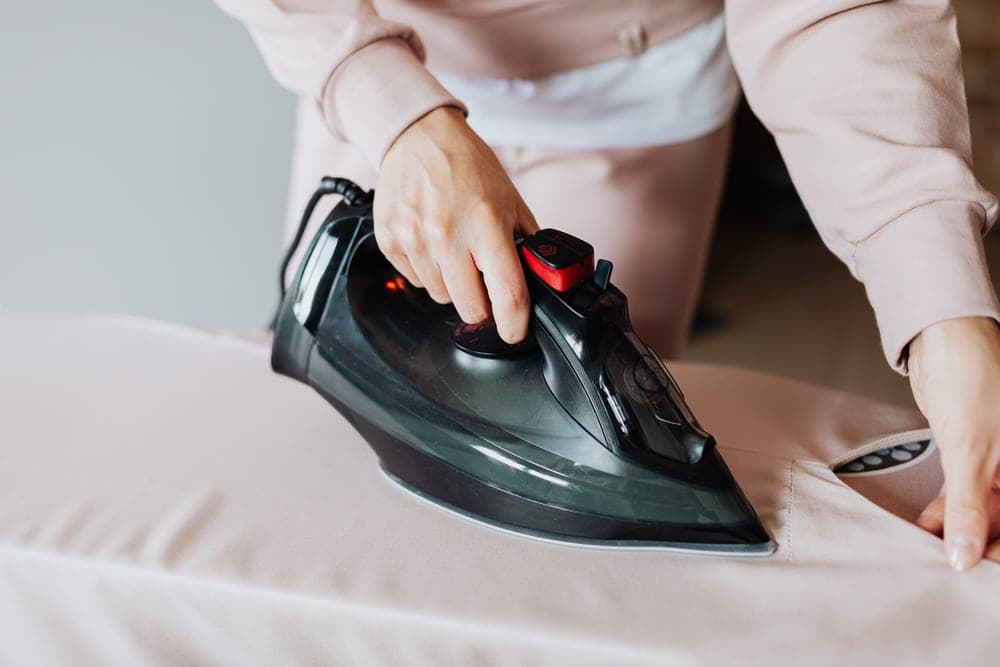
When moisture helps and when it damages — and why dry irons are still sold.
Top pick
Rowenta Steam Force Pro DW9580
#ad · how this is funded · price as of September 16, 2026
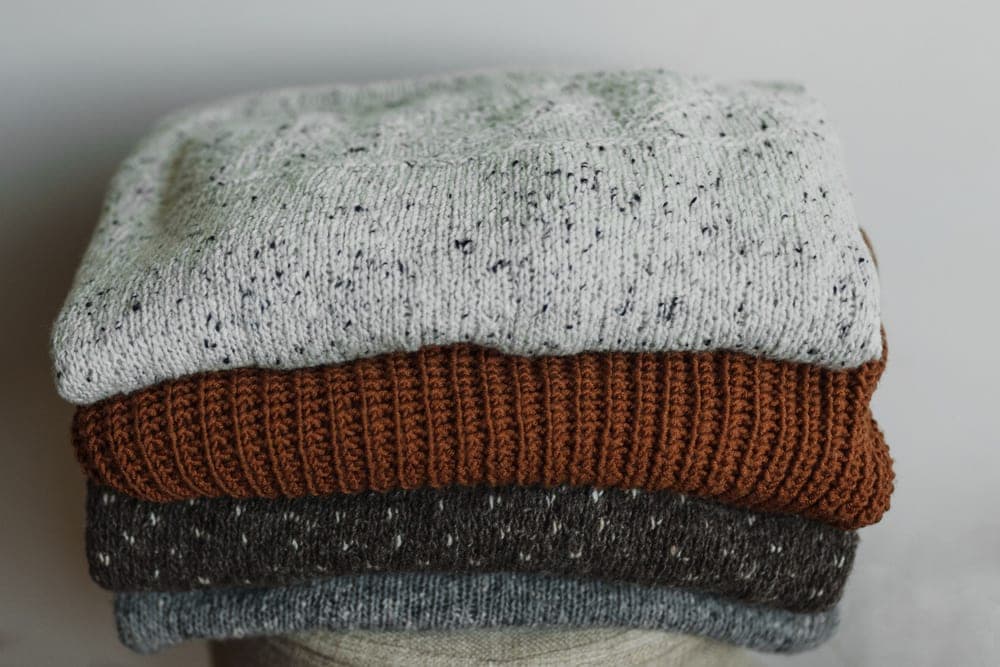
Steamer, always. An iron crushes the loft a knit depends on, and loft does not come back.
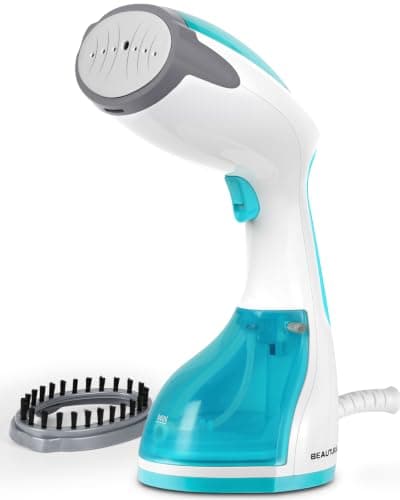
Top pick
Beautural 1200W Handheld Steamer
#ad · how this is funded · price as of September 16, 2026
Fabric wrinkles because hydrogen bonds within the fibers set in a bent configuration. Both tools break those bonds with moisture and heat. The difference is what happens next. A steamer breaks the bonds and lets the fabric's own weight and elasticity pull it straight, so the fiber returns toward its natural shape. An iron breaks the bonds and then holds the fabric flat under pressure while it cools, so the fiber sets into the shape the soleplate imposed.
That is why fibers with natural elastic recovery — wool above all — do so well under steam, and why fibers with almost none — flax, in particular — need an iron. It is also why an iron can create a crease and a steamer never can.
On the right fabric, completely. On the wrong one, partially and temporarily. This is the single most common disappointment in the category and it is almost always a fabric mismatch rather than a defective machine: someone buys a steamer, tries it on a linen shirt, sees a modest improvement that vanishes as the shirt dries, and concludes steamers do not work. The linen page explains exactly why that happens.
These are three different machines and the terms get used interchangeably, including by retailers.
| Machine | What it does | Needs a board? | Makes a crease? |
|---|---|---|---|
| Garment steamer | Vertical steam onto hanging fabric | No | No |
| Steam iron | A heated soleplate that also emits steam | Yes | Yes |
| Steam station | An iron with a separate boiler for continuous steam | Yes | Yes |
| Steam press | Two heated plates that close on the fabric | No — it is its own surface | Yes |
"Iron box" is a common phrasing outside the US for what this table calls a steam iron. Same machine.
Look at what is actually in your wardrobe. If it is mostly tailoring, knitwear, synthetics and dresses, buy a steamer and you will rarely miss the iron. If it is mostly linen shirts and pressed cotton, buy an iron; a steamer will not do the job and you will resent it. If it is a mix — which for most people it is — a 2-in-1 with a press plate is the one machine that covers both without owning two.
Ranked on published specifications. Tap a row for the full write-up; the price button goes to Amazon.
| # | Product | Best for | Spec score | Price |
|---|---|---|---|---|
| 1 | Conair Turbo ExtremeSteam GS59The most-bought handheld in the category, and its published specs explain that rather than contradict it. | The default handheld | 6.5/10 | |
| 2 | Rowenta Steam Force Pro DW95801,850 watts and a stainless soleplate — what you buy when the honest answer is 'iron'. | The iron half of the argument | 8.3/10 | |
| 3 | Rowenta Pure Force 2-in-1 DR8822Steams vertically, presses horizontally, and publishes the fastest heat-up in this set by a factor of three. | One machine instead of two | 6.3/10 |
1. Handheld · The default handheld
The most-bought handheld in the category, and its published specs explain that rather than contradict it.
Computed from published specifications only — the rubric is published in full.
#ad · how this is funded · price as of September 16, 2026
| Model | GS59L |
|---|---|
| Power | 1,875 W |
| Tank | 216 ml |
| Heat-up | 40 s |
| Weight | 2.27 lb |
| Voltage | 110V |
| Dimensions | 8"L x 5.6"W x 13.6"H |
| Warranty | Limited 2 year. |
Source: Conair published specifications (Amazon listing), accessed September 2026.
1,875 watts is the practical ceiling for a plug-in appliance on a US 15-amp circuit, and this unit sits right at it. Power is what turns water into dry steam fast enough to relax a fiber instead of soaking it, so on a handheld this is the figure that matters most.
The trade is the tank. 7.3 fluid ounces is a shade over 200 ml, which Conair pairs with a stated 20 minutes of run time. Call it two or three shirts before a refill.
40 seconds to heat is ordinary for this power class, not fast. The Rowenta Pure Force publishes a tenth of that at the same wattage.
Who should not buy it. Skip this if you steam a whole rail at a time. At full output the tank runs dry before you get through a week of shirts, and a standing unit with a two-liter tank costs about the same.
2. Iron · The iron half of the argument
1,850 watts and a stainless soleplate — what you buy when the honest answer is 'iron'.
Computed from published specifications only — the rubric is published in full.
#ad · how this is funded · price as of September 16, 2026
| Model | DW9580 |
|---|---|
| Power | 1,850 W |
| Tank | Not published |
| Heat-up | Not published |
| Weight | 4.2 lb |
| Voltage | 120V |
| Dimensions | 12.6"L x 5.98"W |
| Warranty | Not published |
Source: Rowenta published specifications (Amazon listing), accessed September 2026.
Rowenta does not publish tank capacity, heat-up time for this model, so those figures are excluded from the score rather than estimated.
Linen and heavy cotton want contact, weight and heat, and no vertical steamer supplies any of the three. This is the tool for those fabrics.
1,850 watts is at the top of what a domestic iron draws, and 4.2 pounds is heavy in the way that helps — the mass does part of the pressing for you.
Rowenta publishes neither a tank figure nor a heat-up time on this listing, so two of our four metrics are unavailable and the score is computed from the two that are.
Who should not buy it. Skip this if you do not own a board and will not buy one. An iron without a surface is a paperweight.
3. Handheld · One machine instead of two
Steams vertically, presses horizontally, and publishes the fastest heat-up in this set by a factor of three.
Computed from published specifications only — the rubric is published in full.
#ad · how this is funded · price as of September 16, 2026
| Model | DR8822U1 |
|---|---|
| Power | 1,875 W |
| Tank | 210 ml |
| Heat-up | 10 s |
| Weight | 3 lb |
| Voltage | 120V |
| Dimensions | 11.81"L x 8.66"W x 6.69"H |
| Warranty | Not published |
Source: Rowenta published specifications (Amazon listing), accessed September 2026.
Ten seconds to steam is the lowest published heat-up of anything on this page. If the thing that stops you steaming is the wait, this is the answer to it.
The horizontal plate is the real argument. A steamer relaxes a wrinkle; only contact and pressure will put a crease into a trouser leg or flatten a collar point. This does both, which is why for most wardrobes it genuinely replaces an iron and a board.
Three pounds is heavy for a handheld, and that weight is the soleplate. Judge it as a small iron that also steams, not as a light steamer that also presses.
Who should not buy it. Skip this if you only ever steam hanging garments. You would be carrying the weight of a soleplate you never put down.
Six pages take specific cases further: dress shirts, linen, suits, handheld steamers against irons, steam presses, and steam versus dry ironing.
For wool, polyester, silk, satin, chiffon, velvet and knitwear, yes. For linen, heavy cotton and any crease you actually want, no. It is a fabric question rather than a product question, which is why the table above exists.
It depends entirely on the fiber. Steam relaxes wrinkles and lets the fabric's own elasticity pull it straight, which works beautifully on wool and badly on flax. An iron resets the fabric under pressure, which works on everything but risks glazing thermoplastics and flattening pile.
A garment steamer emits steam onto hanging fabric and never touches it. A steam iron is a heated soleplate that presses the fabric flat while emitting steam, and it needs a board. Only the iron can create a crease.
For a wardrobe of tailoring, knitwear, synthetics and dresses, effectively yes. For anyone who needs crisp collars, trouser creases or pressed linen, no. A 2-in-1 with a press plate is the honest middle.
On the fabrics they suit they work better, because they do not flatten wool's crimp, glaze polyester or dull satin. On linen and heavy cotton they are meaningfully worse, and no technique closes that gap.