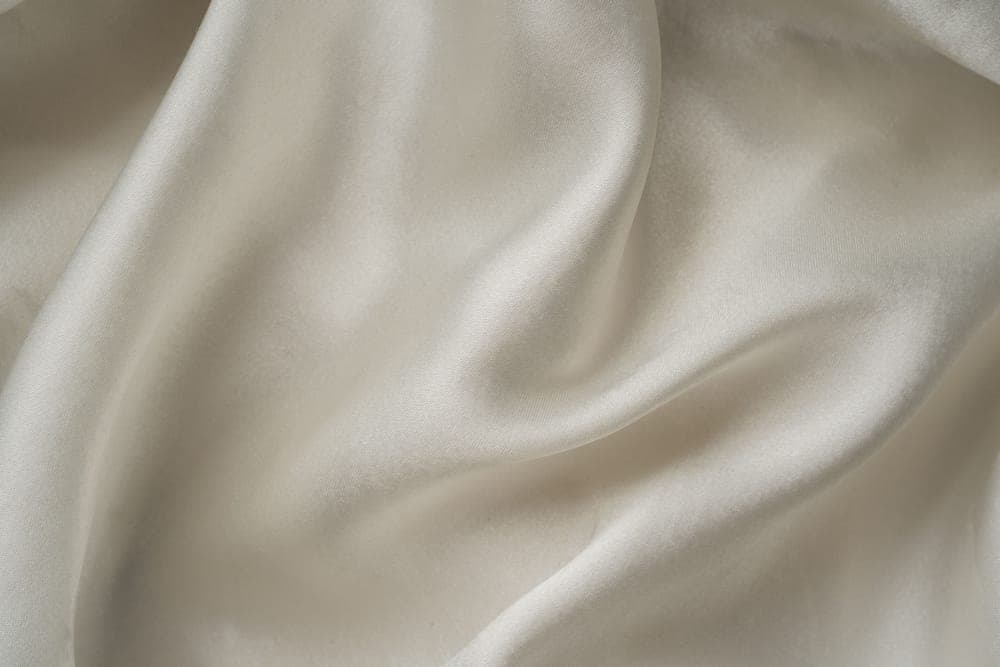
Can You Steam Silk?
Yes, on the lowest setting from 6-8 inches. Water spotting is the risk, not heat.
Top pick
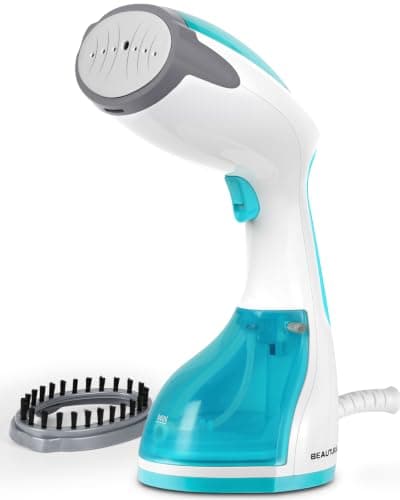
Beautural 1200W Handheld Steamer
$36.97 · View on Amazon
#ad · how this is funded · price as of September 16, 2026
Hub
Fourteen fabrics, one table, and the two that will be damaged if you get this wrong.
By Scooter M., enthusiast, crease control · Published
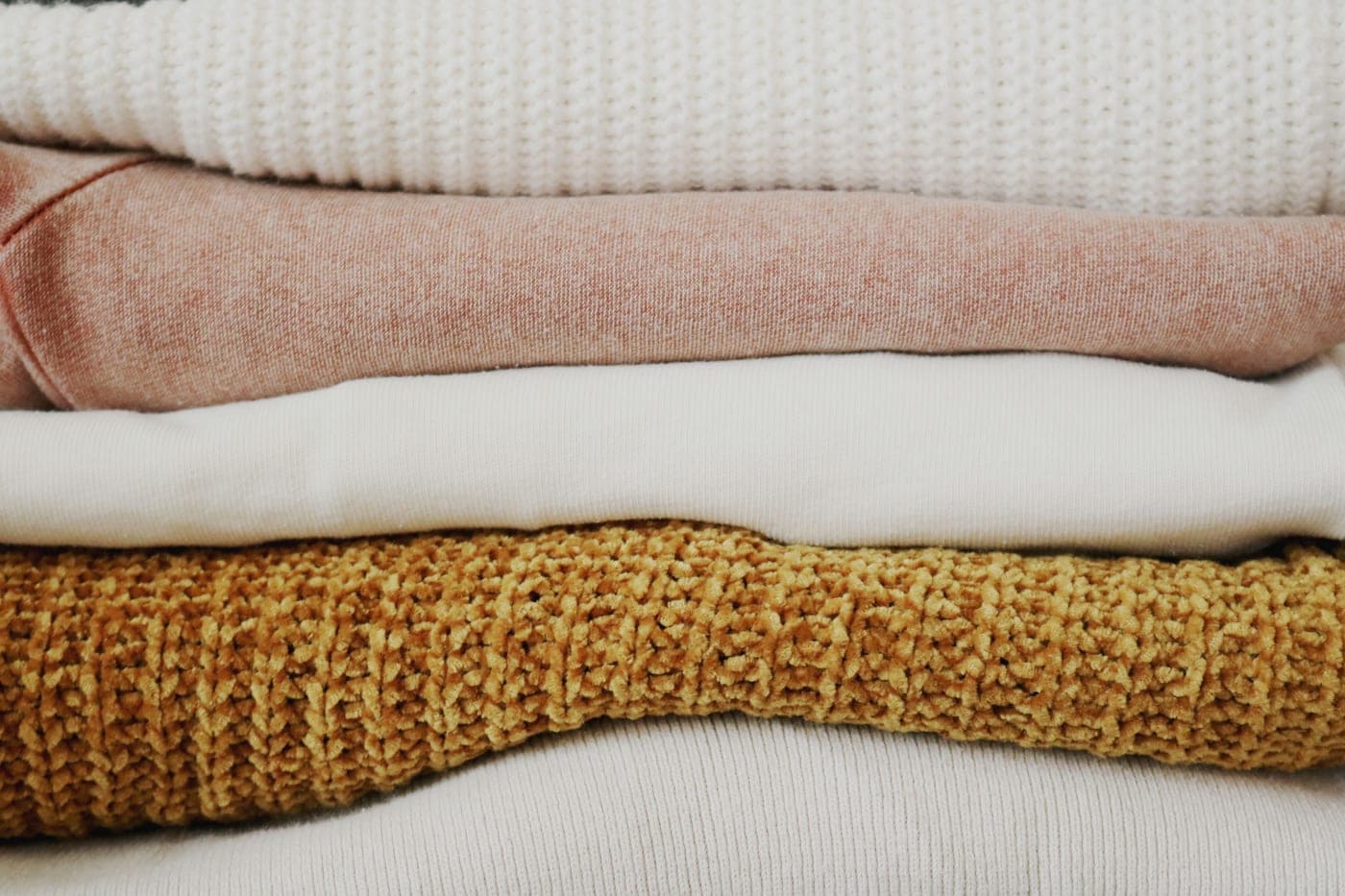
Most fabrics can be steamed. Suede and most finished leathers cannot — water changes the nap and stiffens the hide, and neither reverses. Velvet and other pile fabrics can be steamed only from the reverse, because a head held against the pile crushes it permanently. Everything else is a question of setting and distance rather than yes or no.
| Fabric | Steam? | Setting | Distance | The risk |
|---|---|---|---|---|
| Silk | Yes, carefully | Lowest | 6-8" | Water spotting |
| Linen | Yes, but it will not look pressed | High | 4-6" | Wasted effort — linen wants an iron |
| Wool | Yes — the ideal fabric for steam | Medium-high | 4-6" | Wearing it damp and stretching it |
| Polyester | Yes — better than ironing | Medium | 6" | Glazing, but only from iron contact |
| Cotton | Yes | High | 4-6" | Under-powered steamers just wet it |
| Velvet | From the reverse only | Medium | 4-6" | Permanent pile crush |
| Chiffon | Yes, at a distance | Lowest | 8-10" | Lifting into the head; snagging |
| Satin | Yes, inside out | Low | 6-8" | Sheen change where the head touched |
| Denim | Yes, for softening | High | 4-6" | Nothing — but it will not sharpen a crease |
| Leather | No | — | — | Stiffening, water marks, finish damage |
| Suede | No | — | — | Matted nap that does not recover |
| Down and puffers | Yes, briefly, from a distance | Medium | 8-10" | Wetting the down inside the baffles |
| Cashmere | Yes — one of the safest things you can do to it | Low | 6-8" | Stretching if it is hung while damp |
| Rayon and viscose | Yes, without saturating it | Low | 6-8" | Wet rayon loses much of its strength and stretches |
Setting and distance are general guidance for a mid-power domestic steamer. Where a garment carries a care label, the label wins — it is a legal requirement under the FTC Care Labeling Rule, and the maker knows what is in the fabric.
We earn a commission if you buy through the links on this page, at no extra cost to you. It does not change which steamer we rank first — the ranking comes from published specifications and the arithmetic on our method page. We have not tested these units. Full disclosure.
Yes, on the lowest setting from 6-8 inches. Water spotting is the risk, not heat.
Top pick
Beautural 1200W Handheld Steamer
#ad · how this is funded · price as of September 16, 2026
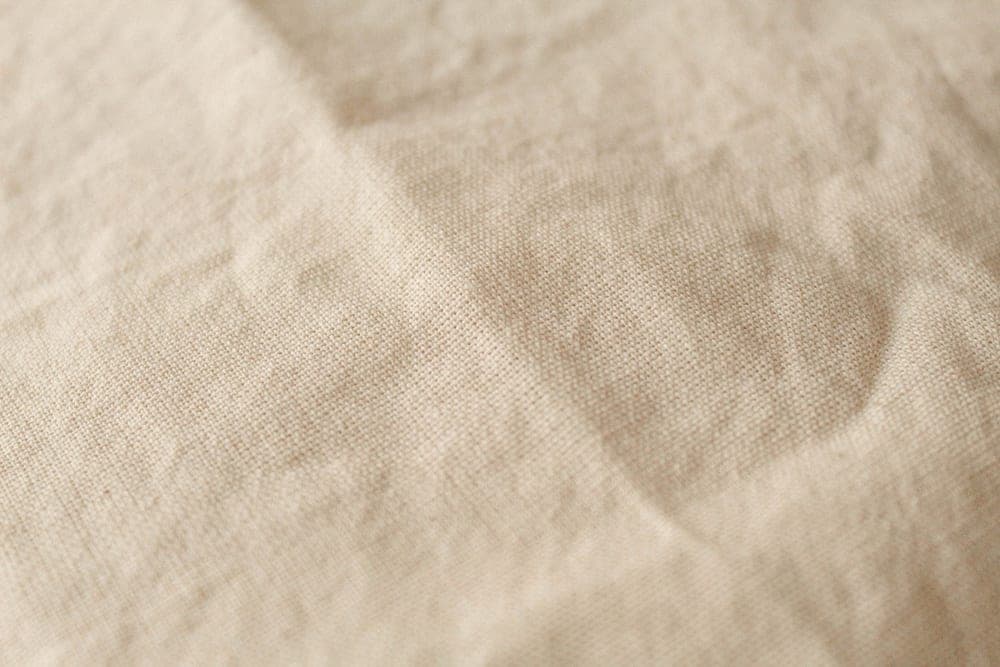
Steam softens linen but cannot set it. The fiber reason, and why an iron wins this one.
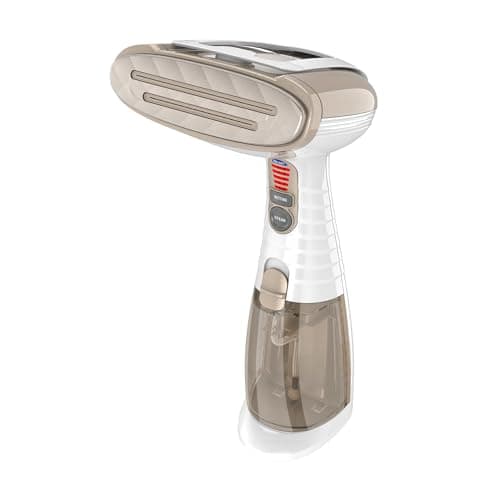
Top pick
Conair Turbo ExtremeSteam GS59
#ad · how this is funded · price as of September 16, 2026
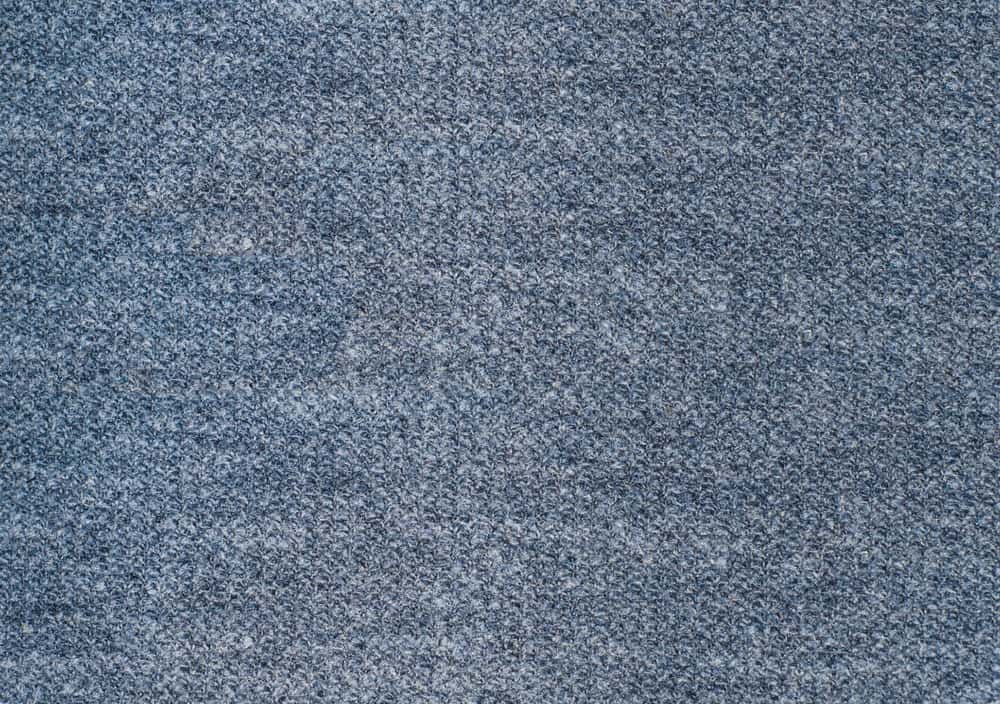
Wool is the ideal steaming fabric. The fiber reason, the settings, and the drying mistake.
Top pick
Conair Turbo ExtremeSteam GS59
#ad · how this is funded · price as of September 16, 2026
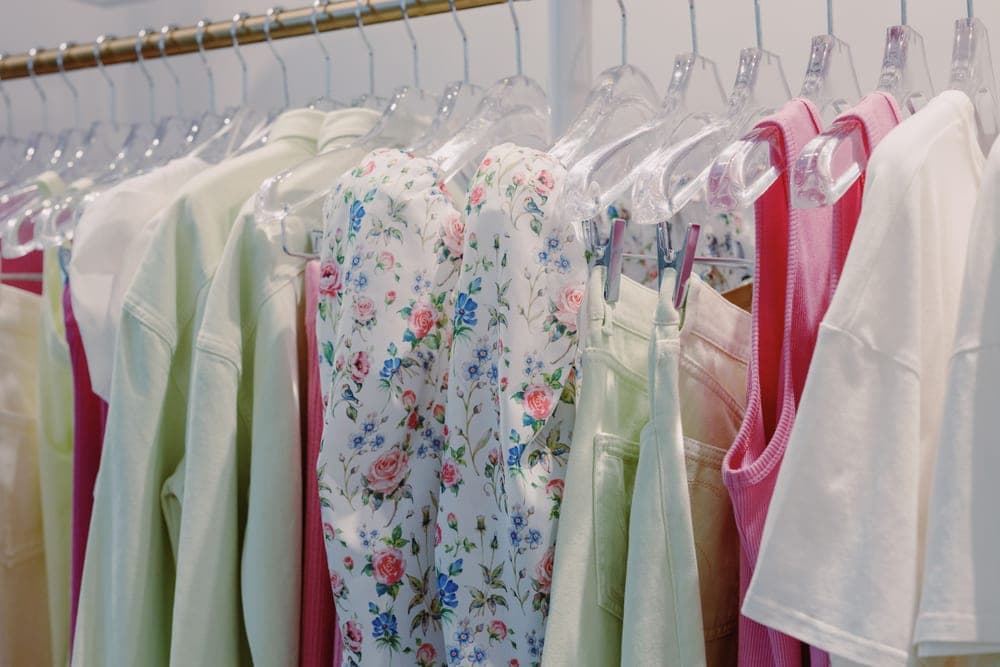
Polyester is a thermoplastic. Steam relaxes it safely; direct iron heat glazes or melts it.
Top pick
Beautural 1200W Handheld Steamer
#ad · how this is funded · price as of September 16, 2026
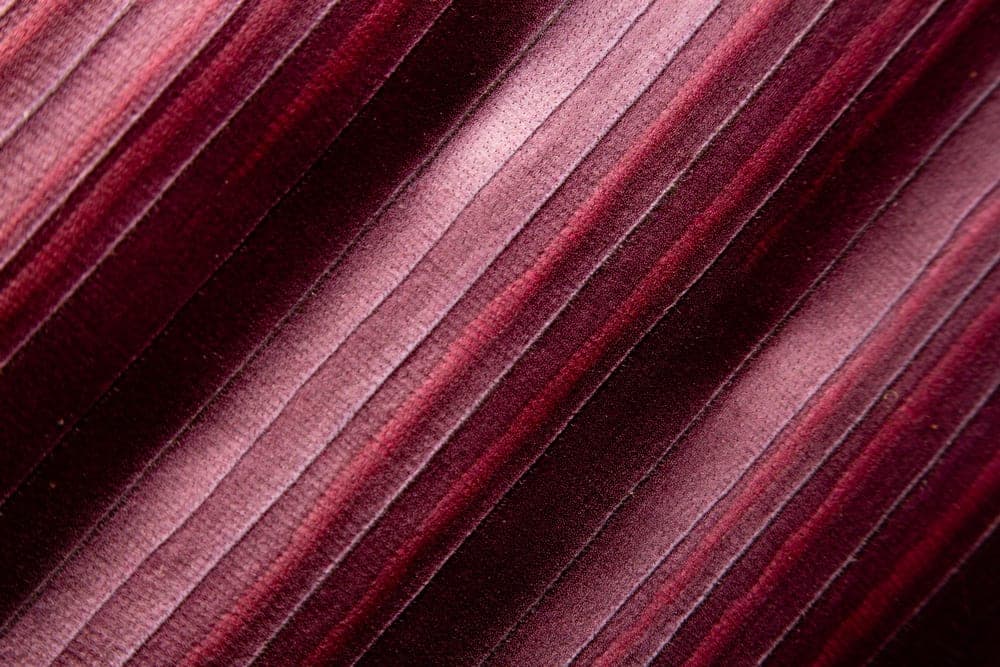
Steam velvet from the reverse only. Contact with the pile crushes it permanently.
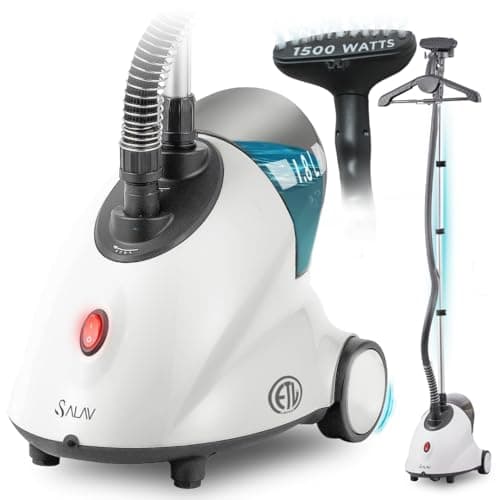
Top pick
SALAV GS18 Full-Size Steamer
#ad · how this is funded · price as of September 16, 2026
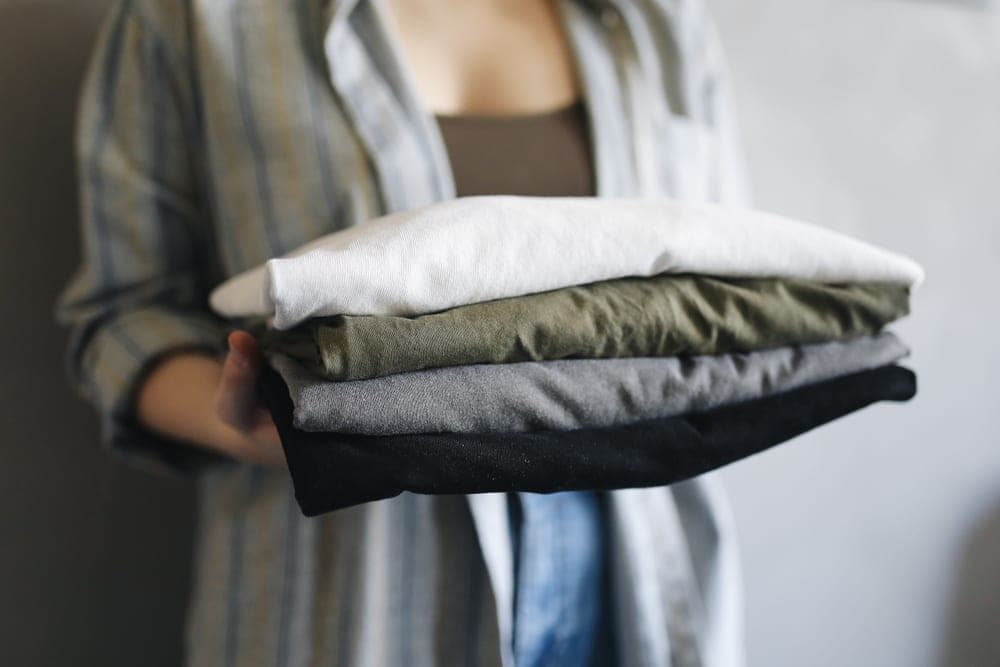
Cotton steams well above about 1,200 W and badly below it. Settings by weight of cloth.
Top pick
Conair Turbo ExtremeSteam GS59
#ad · how this is funded · price as of September 16, 2026
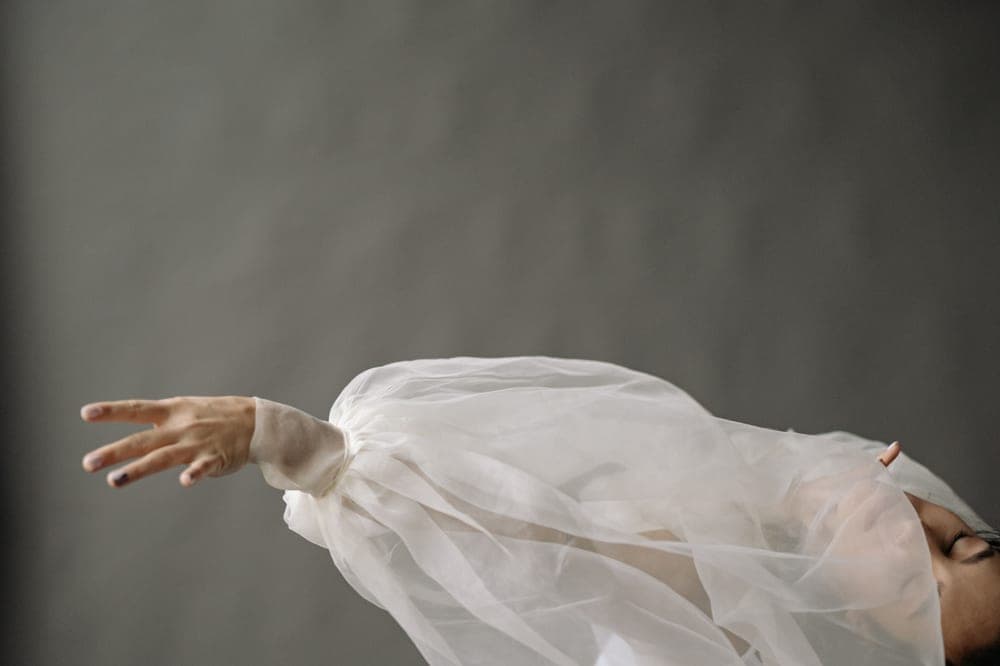
Yes, lowest setting from 8-10 inches. It will lift toward the head — hold the hem.
Top pick
Beautural 1200W Handheld Steamer
#ad · how this is funded · price as of September 16, 2026
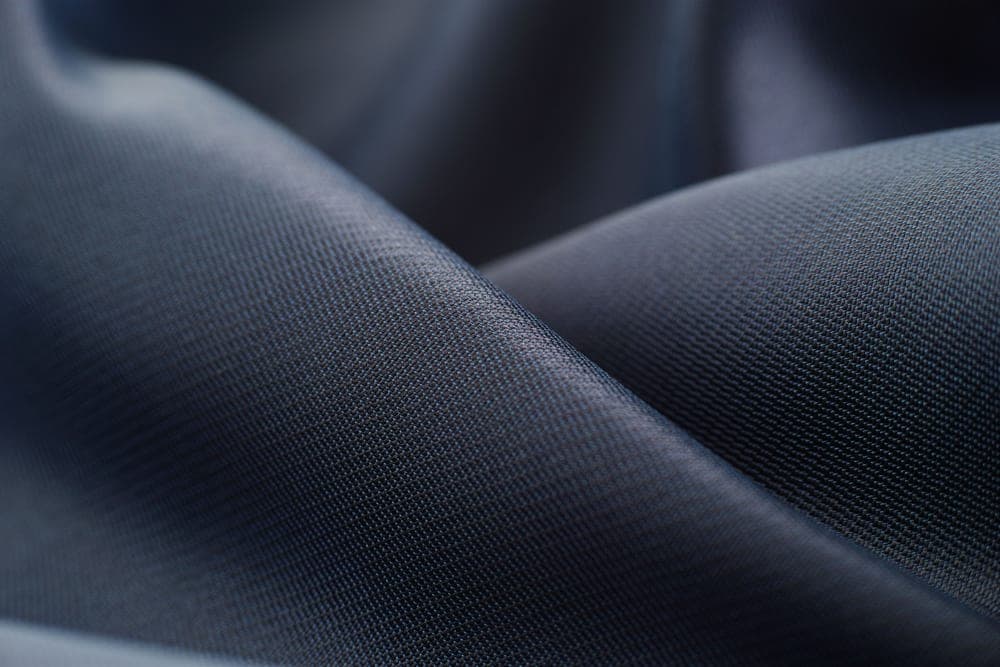
Yes, inside out on a low setting from 6-8 inches. The sheen is what you protect.
Top pick
Beautural 1200W Handheld Steamer
#ad · how this is funded · price as of September 16, 2026
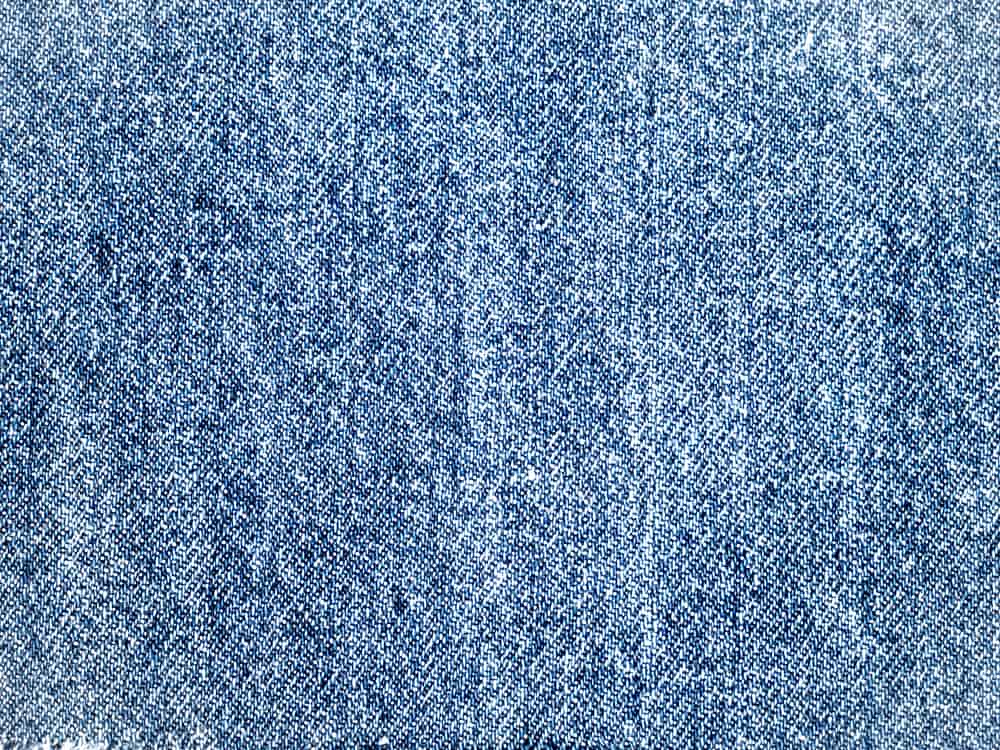
Steam softens denim and releases knee and seat creases. It will not sharpen a crease.
Top pick
Conair Turbo ExtremeSteam GS59
#ad · how this is funded · price as of September 16, 2026
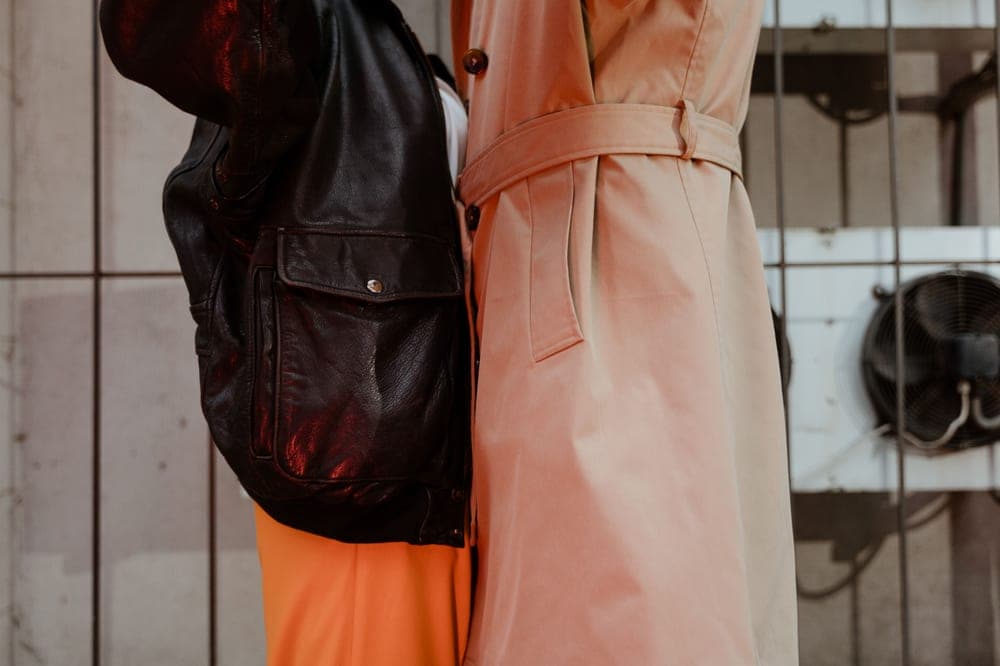
No. Water stiffens the hide and can cloud the finish. What to do instead.
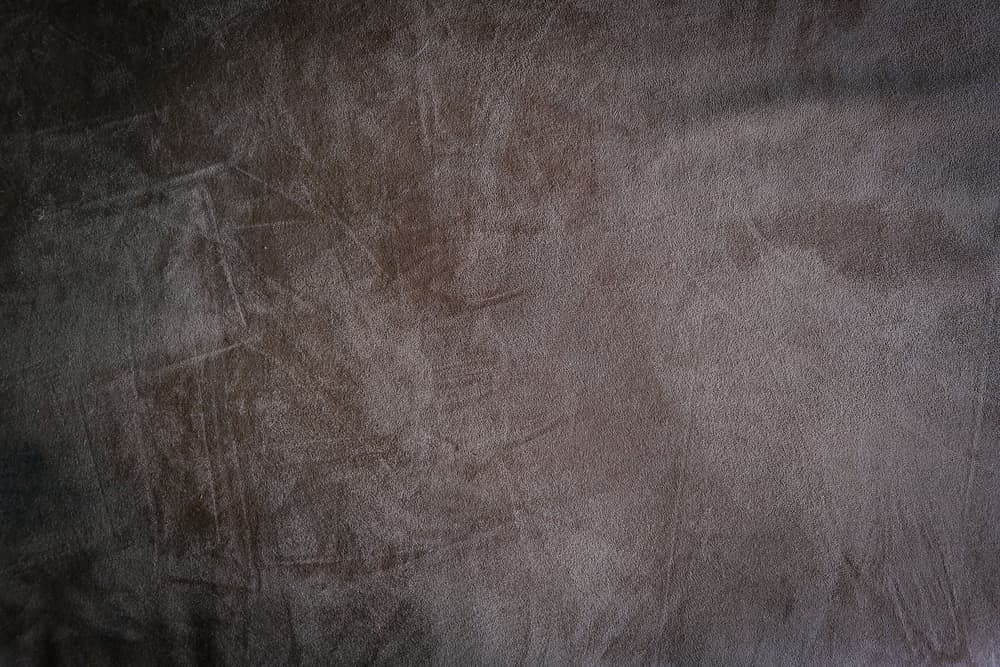
No. Water mats the nap into a darker patch that brushing does not recover.
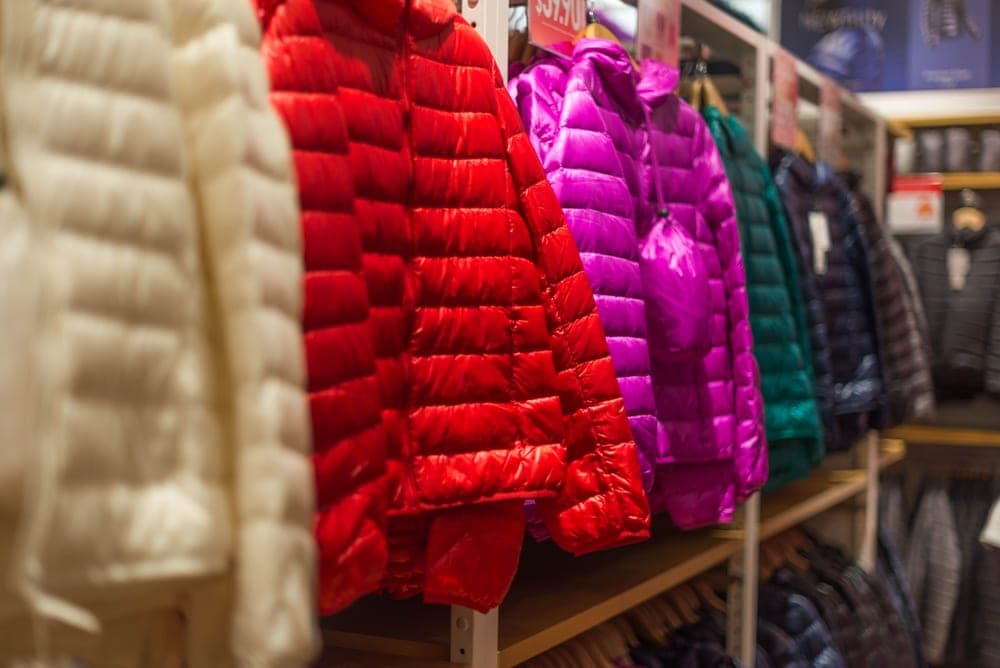
Yes, briefly from 8-10 inches. The risk is wetting the down inside, not the nylon shell.
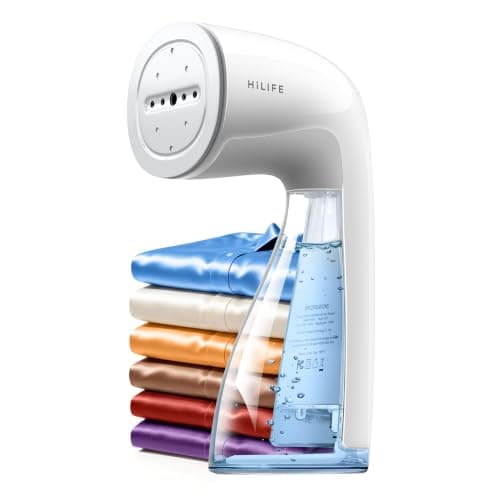
Top pick
HiLIFE HL9 1100W Steamer
#ad · how this is funded · price as of September 16, 2026
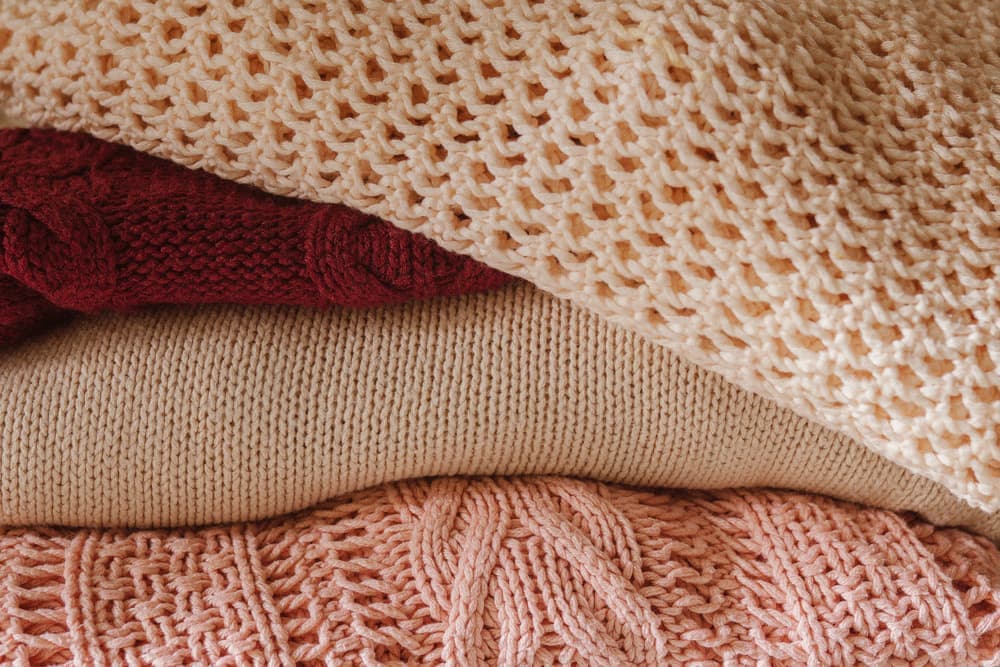
Yes, from 6-8 inches on low. The risk is not heat — it is letting a damp knit hang.
Top pick
Beautural 1200W Handheld Steamer
#ad · how this is funded · price as of September 16, 2026
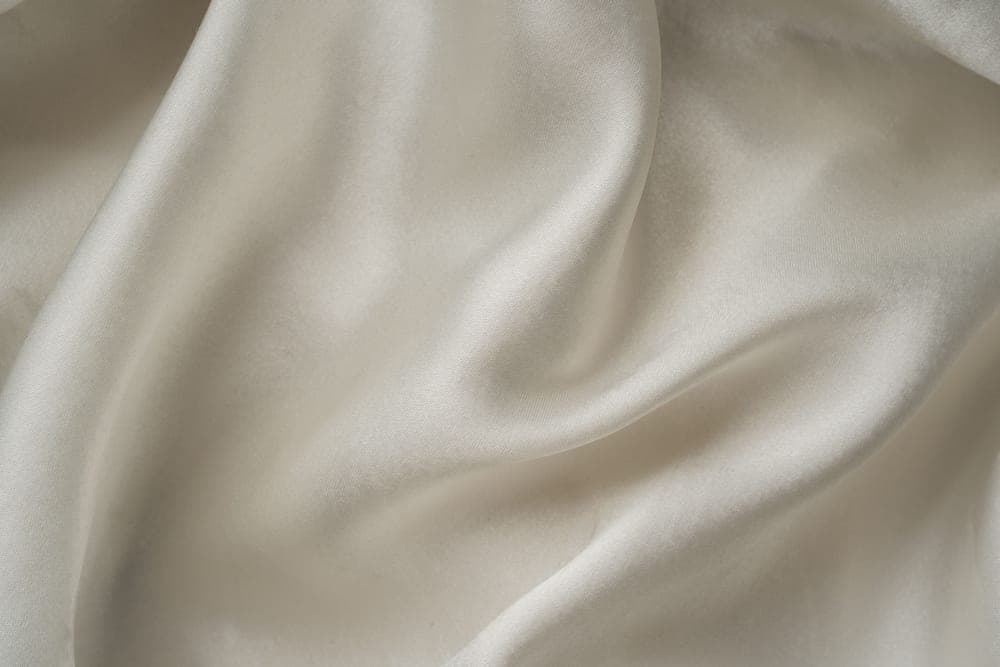
Yes, low and at a distance. Rayon loses much of its strength when wet — do not saturate it.
Top pick
Beautural 1200W Handheld Steamer
#ad · how this is funded · price as of September 16, 2026
Steam by itself damages remarkably little. What causes damage is one of four things, and all four are avoidable:
Suede is leather with a raised nap, and water mats that nap into a slick, darker patch. It does not recover with brushing. Finished leather absorbs moisture into the hide and dries stiffer than it started, and steam can also lift or cloud a surface finish. Both should go to a leather specialist rather than near a steam head. The leather and suede pages set out what to do instead.
A silk scarf and a silk-lined jacket are not the same steaming problem. Interlinings, canvassing, fusible tape at the hems, and the second fabric in a lining all respond to moisture at their own rate, and puckering along a seam is usually two materials disagreeing rather than one being damaged. Where a garment is constructed rather than simply sewn, work at a greater distance and give it longer to dry flat or hanging.
On anything you would be upset to lose, steam an inside seam or a hem allowance for thirty seconds at the distance you intend to use, then look at it dry. Water spotting, sheen change and shrinkage all show up on that scrap before they show up on the front of a dress. It is the single most useful habit in this whole category and almost nobody does it.
Ranked on published specifications. Tap a row for the full write-up; the price button goes to Amazon.
| # | Product | Best for | Spec score | Price |
|---|---|---|---|---|
| 1 | Beautural 1200W Handheld Steamer260 ml on a 1,200W handheld — the most run time per fill here, bought with output. | The biggest tank in the class | 5.7/10 | |
| 2 | Conair Turbo ExtremeSteam GS59The most-bought handheld in the category, and its published specs explain that rather than contradict it. | The default handheld | 6.5/10 |
Two fabric verdicts on this page have purchasing consequences. If your wardrobe is mostly linen, a steamer is the wrong primary tool and the linen verdict explains why. If it is mostly wool and polyester, a steamer is not a compromise but the better instrument, and the roundup is where to start. For everything in between, the steamer-versus-iron hub has the verdict table fabric by fabric.
Suede and most finished leathers. Water mats suede's nap permanently and stiffens leather as it dries. Velvet and other pile fabrics can be steamed, but only from the reverse — a head held against the pile crushes it.
It can, through four avoidable mistakes: letting the head touch the fabric, working so close that condensate lands as droplets, saturating rather than dampening, and using an iron on a thermoplastic afterwards. Steam itself damages very little.
On knits, synthetics, silk, wool and light cotton, yes — steam relaxes the bonds holding the wrinkle and the fabric's own weight pulls it straight. On linen and heavy cotton it relaxes wrinkles without removing them, because those fibers need pressure to reset.
For satin, silk and anything with a visible sheen, yes. It puts any water spotting or sheen change on the face nobody sees, and costs nothing. For velvet it is not optional — steaming from the reverse is the only safe way.
Four to six inches for cotton, wool and denim; six to eight for silk and satin; eight to ten for chiffon, tulle and down. Closer is not more effective — it just delivers water instead of vapor.