Fabrics
Can You Steam Leather?
No. This is one of two fabrics on this site where the answer is simply do not.
By Scooter M., enthusiast, crease control · Published
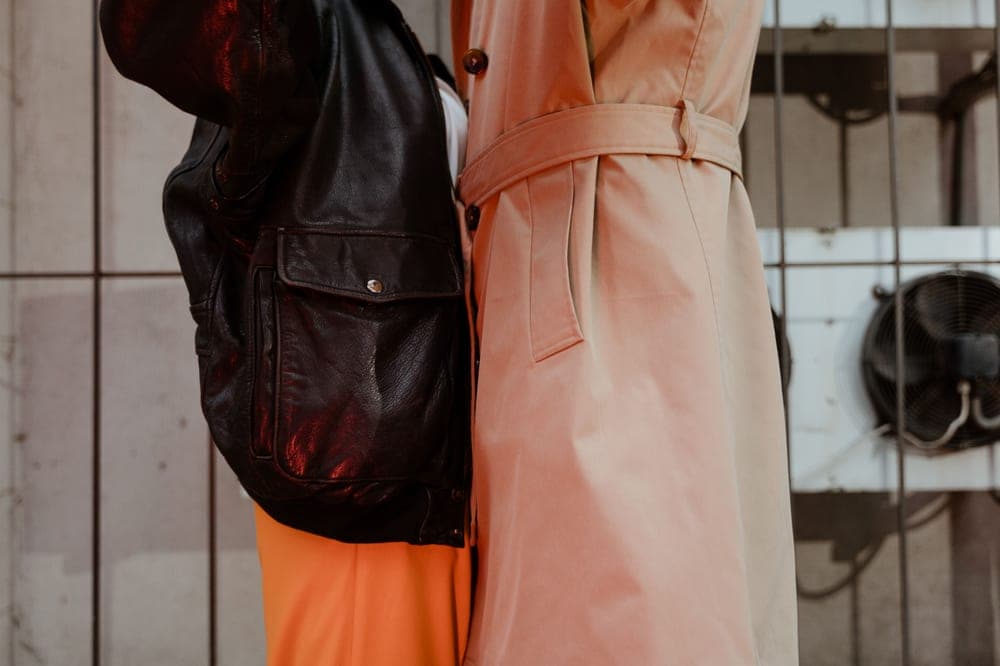
No. Leather is a hide, not a textile, and it responds to water by absorbing it and then drying stiffer and often lighter in color than it started. Steam can also cloud or lift a surface finish. There is no setting or distance that makes this safe, and the damage is not reversible at home.
We earn a commission if you buy through the links on this page, at no extra cost to you. It does not change which steamer we rank first — the ranking comes from published specifications and the arithmetic on our method page. We have not tested these units. Full disclosure.
Why water does this
Tanned leather is a collagen structure held supple by oils and finishing agents. Water displaces those oils and swells the fiber structure; as it dries, the structure sets in a tighter arrangement with less oil in it. That is why a wet leather jacket dries stiff and why the stiffness does not simply reverse when it is dry again.
Finished leathers add a second problem. Pigmented and patent finishes sit on the surface as a film, and heat plus moisture can cloud, blister or lift that film locally. Once it has, the mark is a finishing repair rather than a cleaning one.
What actually removes creases from leather
- Hang it and wait. Leather is heavy and it relaxes under its own weight. A broad-shouldered hanger and a week does most of the work on a stored jacket, for free.
- Ambient humidity, not applied moisture. Hanging a jacket in a bathroom after a shower is gentler than any steam head, and it is the version of the folk remedy that is actually safe.
- A conditioner, applied sparingly. A leather conditioner restores the oils that keep the hide supple, which is what a creased, dry jacket usually lacks.
- A specialist, for anything structural. Deep set creases, a collapsed shoulder or a stored-folded panel are a leather-repair job. It costs less than the jacket.
Faux leather is a different question
Polyurethane and PVC "leather" are plastics on a textile backing, so they behave like polyester rather than like hide: they do not absorb water, and their risk is heat deforming the surface. Steam from a distance on low if you must, test somewhere hidden, and never let the head touch. Many faux leathers are also bonded, and heat softens the adhesive.
The related fabric to avoid
Suede is leather with the nap raised, and it fails even more readily — water mats the nap into a slick, darker patch that brushing does not recover. Both belong to a leather specialist rather than to a steam head.
Questions people actually ask
+Can you steam a leather jacket?
No. Leather absorbs water and dries stiffer and often lighter than it started, and steam can cloud or lift a surface finish. Neither is reversible at home.
+How do you get creases out of leather?
Hang it on a broad hanger and give it time — leather relaxes under its own weight. Ambient humidity helps; applied moisture does not. A leather conditioner restores the oils a creased, dry hide is missing. Anything structural is a specialist repair.
+Can you steam faux leather?
With care. Polyurethane and PVC are plastics on a textile backing, so they do not absorb water — but heat deforms the surface and softens bonding adhesive. Steam from a distance on low, test somewhere hidden, and never touch the surface.
Sources
- FTC Care Labeling Rule, 16 CFR Part 423 (eCFR) — accessed September 2026
This page carries no product recommendation, deliberately. The honest advice here is not to point a steamer at leather, and attaching a buy link to that advice would contradict it.