Steamer vs Iron
Steamer vs Iron for Suits
Steam the jacket, press the trousers. Doing it the other way round is how suits are ruined.
By Scooter M., enthusiast, crease control · Published
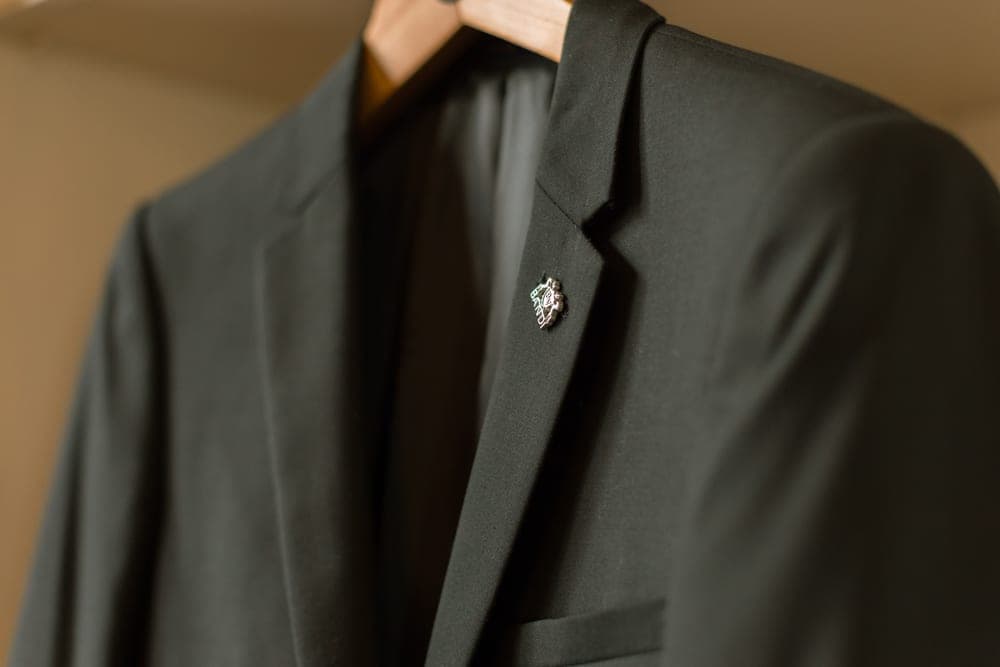
Steam the jacket. Press the trousers. A jacket is a three-dimensional object with a deliberate lapel roll and shaped canvassing, and an iron is a flattening instrument — it presses a hard fold where the tailor put a soft curve and can glaze wool permanently. Trousers are the opposite problem: the crease is the point, and only pressure makes one.
We earn a commission if you buy through the links on this page, at no extra cost to you. It does not change which steamer we rank first — the ranking comes from published specifications and the arithmetic on our method page. We have not tested these units. Full disclosure.
What an iron does to a jacket
- Flattens the lapel roll. A lapel is meant to curve away from the chest. Pressed flat it looks like a costume, and the roll does not come back on its own.
- Glazes the cloth. On worsted wool and most wool blends, heat plus pressure produces an irreversible shine — worst on the areas you press hardest, which are the ones people look at.
- Crushes the chest. A canvassed jacket has shape built into the chest with layers of horsehair or fusible interlining. Pressure compresses it.
- Marks the seams. Pressing over a seam allowance leaves an impression of the seam on the face of the cloth.
None of that is speculative — it is why tailors use a steam press and a form rather than an iron and a board on finished jackets.
Why steam is the tailor's method
Wool has natural crimp and real elastic recovery. Steam relaxes the bonds holding a wrinkle; the crimp then pulls the fiber back toward its own shape, and the jacket's weight on a broad hanger supplies the small amount of tension needed. The garment effectively repairs itself. The wool page covers the fiber behavior.
The trouser exception
A trouser crease is a deliberate, permanent fold set into the cloth. Steam cannot create one — there is no pressure — so this half of the suit does go to an iron, with a pressing cloth to avoid glazing. Steam the legs first to remove wrinkles, then set the crease.
What about a steam station?
A steam station is an iron with a separate boiler, and it is a genuinely better iron: continuous steam rather than bursts, so pressing trousers and shirts goes faster. It is still an iron, and everything above about jackets still applies. It does not turn into a garment steamer because it produces more steam.
One of each
Ranked on published specifications. Tap a row for the full write-up; the price button goes to Amazon.
| # | Product | Best for | Spec score | Price |
|---|---|---|---|---|
| 1 | 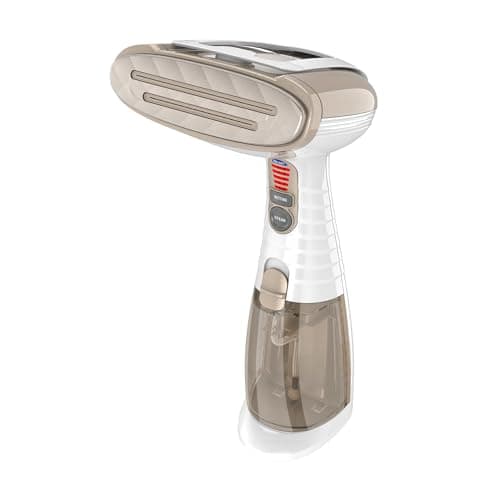 Conair Turbo ExtremeSteam GS59The most-bought handheld in the category, and its published specs explain that rather than contradict it. Conair Turbo ExtremeSteam GS59The most-bought handheld in the category, and its published specs explain that rather than contradict it. | The default handheld | 6.5/10 | |
| 2 | 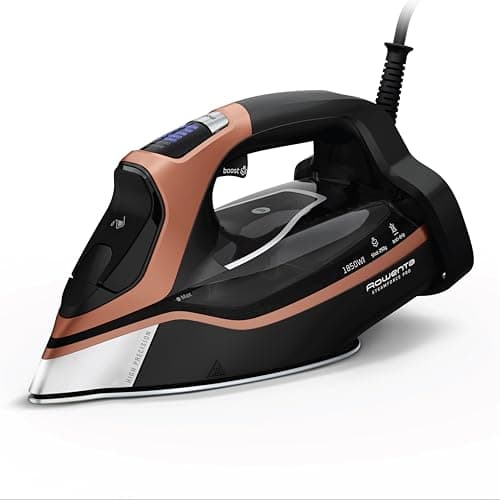 Rowenta Steam Force Pro DW95801,850 watts and a stainless soleplate — what you buy when the honest answer is 'iron'. Rowenta Steam Force Pro DW95801,850 watts and a stainless soleplate — what you buy when the honest answer is 'iron'. | The iron half of the argument | 8.3/10 |
Questions people actually ask
+Steamer or iron for a suit?
Steamer for the jacket, iron for the trouser crease. An iron flattens a jacket's lapel roll and can glaze wool permanently; a steamer cannot create the crease a trouser leg needs.
+Can you iron a suit jacket?
You can, and it is how jackets get ruined. Pressing flattens the lapel roll and the canvassed chest, and on worsted wool the shine from heat plus pressure does not come out. Steam it instead.
+How do you steam a suit properly?
Hang it on a broad hanger, steam the lining and inside back first, then the sleeves top-down with the cuff held lightly taut, then the panels — keeping the head away from the lapel fold itself. Hang for at least twenty minutes before wearing.
Sources
- The Woolmark Company — wool care guidance — accessed September 2026