Care
Garment Steamer vs Dry Cleaning
They are not the same service and steam cannot clean. But a lot of dry-cleaning trips are not about dirt at all.
By Scooter M., enthusiast, crease control · Published
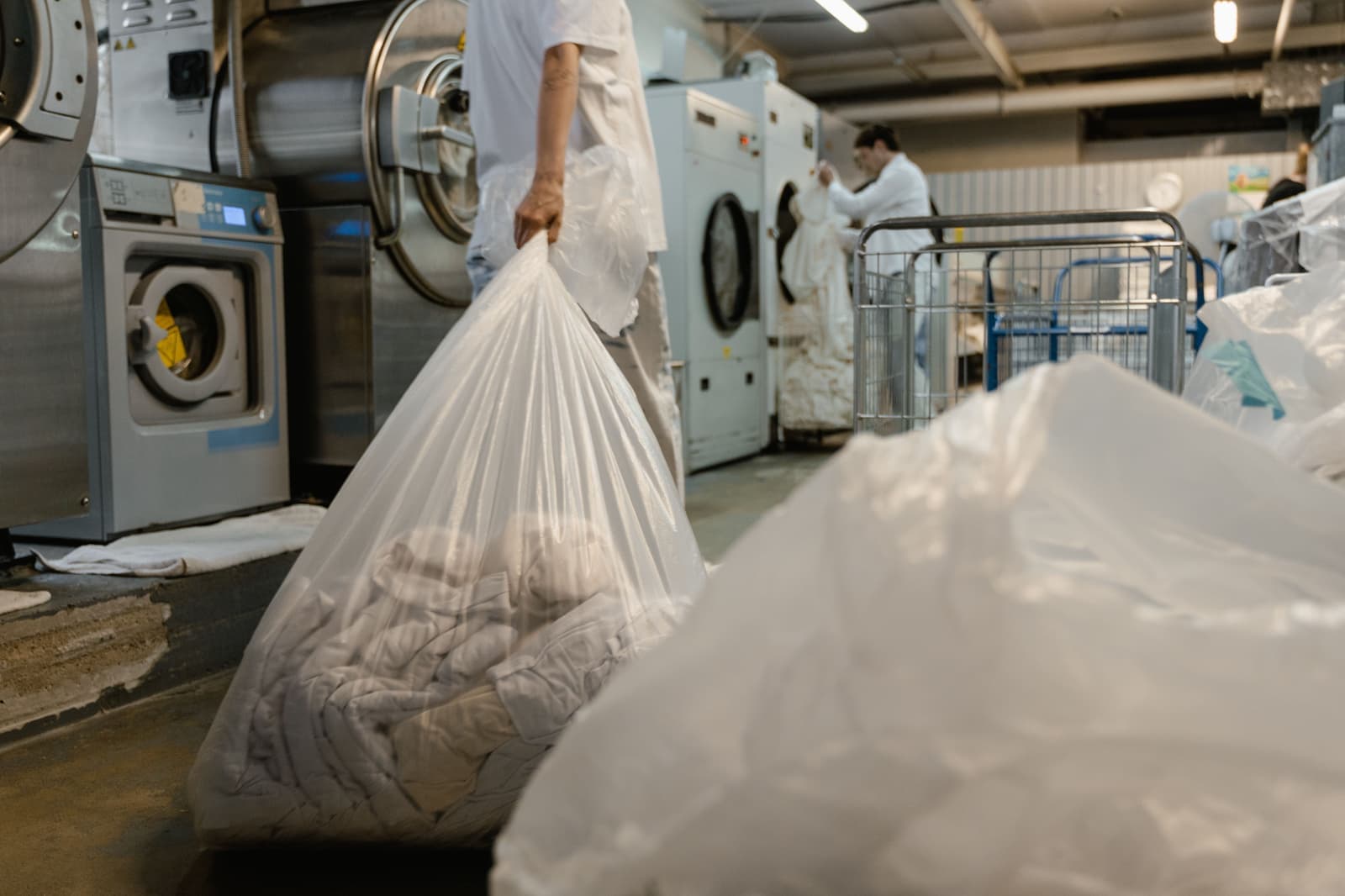
They do different jobs, and the honest framing is that steam replaces some dry-cleaning trips rather than the service. Dry cleaning uses a solvent to dissolve oils and soils a home wash cannot touch; a steamer applies moist heat and removes nothing. But a large share of the garments people take to a cleaner are not dirty — they are creased, or they smell of a day's wear, and steam handles both. It cannot remove a stain, and using it on one will usually set the stain permanently.
We earn a commission if you buy through the links on this page, at no extra cost to you. It does not change which steamer we rank first — the ranking comes from published specifications and the arithmetic on our method page. We have not tested these units. Full disclosure.
What each one actually does
| Garment steamer | Dry cleaning | |
|---|---|---|
| Mechanism | Moist heat relaxes the fiber | A liquid solvent dissolves oils and soils |
| Removes dirt | No | Yes |
| Removes stains | No — and can set them | Most, depending on the stain |
| Removes odor | Reduces it, often a lot | Yes |
| Removes wrinkles | Yes, on the right fabrics | Yes — pressing is part of the service |
| Sanitizes | No | Partly, depending on process |
| Where | At home, in minutes | Two trips and a wait |
| Cost per use | Electricity only, a few cents | A per-garment charge every time |
| Fiber wear | Very low | Real — repeated cleaning is hard on fibers over time |
The last row matters more than people expect. Wool and tailoring are damaged more by frequent cleaning than by wearing, which is why tailors recommend cleaning a suit as seldom as you can manage.
The trips a steamer genuinely replaces
Be specific about this, because the honest answer is neither "none" nor "all of them". These are the cases where a steamer does the whole job:
- A suit worn two or three times that is creased and smells of the office. Steam the jacket, hang it overnight, and it is ready. This is the single biggest saving for most people.
- A dress that has been in a wardrobe and has hanger creases. Nothing is dirty. It needs twenty minutes of steam.
- Knitwear between wears. Wool and cashmere resist odor well, and washing is the thing that damages them. Steam relaxes the creases and freshens.
- Anything you had cleaned purely to get it pressed. A surprising share of dry-cleaning is pressing with a clean attached, and steam is the pressing part.
- A garment straight out of storage. Fold lines and a stale smell. Steam handles both.
The trips it never replaces
- Anything with a stain. Steam does not lift it, and heat sets protein and tannin marks — blood, coffee, wine, milk — permanently. Clean first, steam afterward, never the reverse.
- Visible soiling. Cuffs, collars, hems. A steamer moves nothing; it just makes a grubby garment a warm grubby garment.
- Structured tailoring that needs a proper press. A cleaner's press restores shape at the shoulder and lapel in a way vertical steam does not.
- "Dry clean only" that genuinely means it. Some constructions and some trims are not water-safe at all. The care label is a legal requirement backed by a reasonable basis, and it wins over any general rule, including ours.
- Wedding dresses and heirlooms for preservation. That is a specialist cleaning-and-boxing service, not a pressing question. The wedding dress page is explicit about when to pay a professional.
- [Leather and suede](/fabrics/leather). Never steam either. A leather specialist, always.
What you are actually paying a cleaner for
It helps to separate the service into its two halves, because a steamer replaces one of them completely and neither of them at all, depending on which half you needed.
| Half | What it involves | Can a steamer do it? |
|---|---|---|
| The clean | The garment goes into a machine with a liquid solvent rather than water. The solvent dissolves oils and body soils that water cannot lift, then it is extracted and the garment dried | No. There is no solvent and nothing is extracted |
| The finish | Pressing on shaped forms — a shoulder press, a trouser topper, a steam-air dummy that inflates the garment. This is what makes a returned suit look sharper than it ever does at home | Partly. Vertical steam relaxes the cloth but does not press shape into a shoulder |
If what you liked about the last visit was that the jacket came back looking crisp, you were buying the finish. If it came back clean, you were buying the clean.
That split explains why the answer to "can a steamer replace dry cleaning" is genuinely both yes and no. For a garment that was never dirty, you were paying for the finish and about eighty per cent of that is relaxing wrinkles — which steam does at home in three minutes. For a garment with something on it, you were paying for the clean, and no amount of steam substitutes.
The one part of the finish a home steamer genuinely cannot reproduce is shaped pressing. A cleaner's shoulder press and steam-air dummy push the garment into its intended three-dimensional form. A vertical steamer works on hanging cloth and relies on gravity. For most wear that difference is invisible; on a structured jacket after a long season it is not, which is a fair reason to send tailoring in occasionally even if it is not dirty.
Why steam reduces odor at all
This is worth explaining because it sounds like it should be cleaning and is not. Most day-to-day garment smell is volatile compounds sitting on and in the fibers. Moist heat mobilizes them and they leave with the vapor, and the airing that follows carries off the rest. Nothing has been removed from the fabric in the sense a solvent removes it — the smell has been driven off.
That is why steaming plus a night on a hanger works so well on wool, and why it does nothing for a garment that is actually soiled. If there is something on the fabric, it is still on the fabric.
A realistic routine
- 1Steam between wearsJacket, trousers, dress, knitwear. Three minutes on a hanger after wearing, then let it air overnight before it goes back in the wardrobe.
- 2Spot-treat marks immediately, or take them to a cleanerDo not steam over a mark hoping it will lift. It will not, and heat may make it permanent.
- 3Dry clean on a schedule, not a reflexFor tailoring, when it is genuinely soiled or at the end of a season — not every few wears. Repeated cleaning is harder on wool than wearing it is.
- 4Use the cleaner for what only they can doStains, structure, and anything labeled in a way you do not want to argue with.
Does it pay for itself?
For anyone who wears tailoring regularly, the arithmetic is not subtle — a steamer is a one-off purchase against a per-garment charge every time, and the electricity is a few cents a session. We are not going to print a payback period, because that would mean inventing both a dry-cleaning price and a usage pattern, and this site does not publish numbers it cannot cite. The qualitative answer is that if you currently take suits in mainly to have them pressed, it pays back quickly.
If you rarely wear anything that needs either service, it does not pay back at all, and the worth-it page walks through that honestly.
Machines that cover the pressing half
Ranked on published specifications. Tap a row for the full write-up; the price button goes to Amazon.
| # | Product | Best for | Spec score | Price |
|---|---|---|---|---|
| 1 | 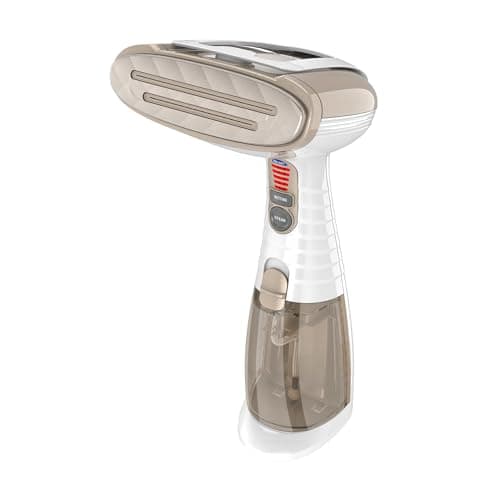 Conair Turbo ExtremeSteam GS59The most-bought handheld in the category, and its published specs explain that rather than contradict it. Conair Turbo ExtremeSteam GS59The most-bought handheld in the category, and its published specs explain that rather than contradict it. | The default handheld | 6.5/10 | |
| 2 | 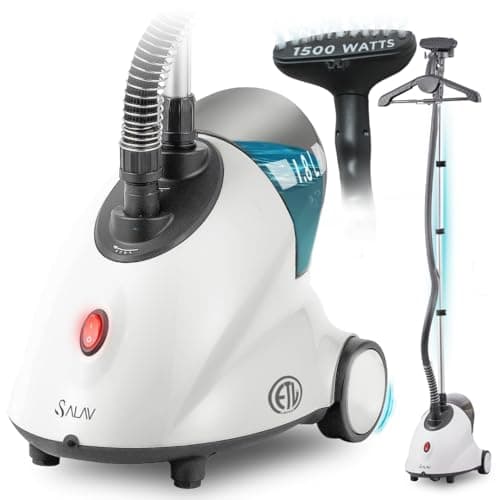 SALAV GS18 Full-Size Steamer1.8 liters on a 65-inch pole — the point where steaming stops being a chore. SALAV GS18 Full-Size Steamer1.8 liters on a 65-inch pole — the point where steaming stops being a chore. | A whole wardrobe at once | 4.4/10 | |
| 3 | 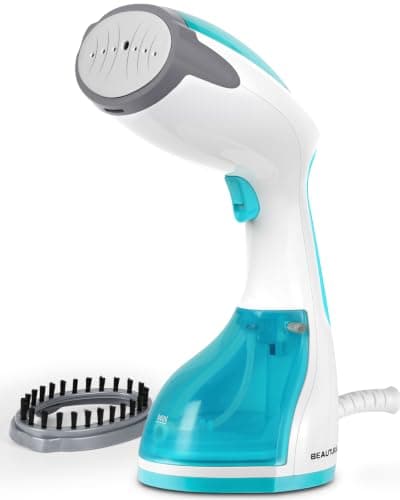 Beautural 1200W Handheld Steamer260 ml on a 1,200W handheld — the most run time per fill here, bought with output. Beautural 1200W Handheld Steamer260 ml on a 1,200W handheld — the most run time per fill here, bought with output. | The biggest tank in the class | 5.7/10 |
Questions people actually ask
+Is a garment steamer the same as dry cleaning?
No. Dry cleaning uses a solvent to dissolve oils and soils; a steamer applies moist heat and removes nothing. What steam does replace is the pressing and refreshing half of the service, which is why a lot of garments go to the cleaner in the first place.
+Can a steamer replace dry cleaning?
It replaces the trips that are about creases and odor rather than dirt — a suit worn twice, a dress with hanger creases, knitwear between wears. It never replaces cleaning a stain or visible soiling, and steaming over a stain can set it permanently.
+Does steaming clothes clean them?
No. It reduces odor by driving off the volatile compounds that cause it, which is genuinely useful, but nothing is removed from the fabric the way a solvent or a wash removes it. If something is on the garment, it is still there.
+Does steaming sanitize clothes?
No. Steam cools rapidly across the six inches between the head and the fabric, and disinfection requires a temperature held for a period rather than a passing plume. Treat it as freshening, not sanitizing.
+Can you steam a dry clean only garment?
Often yes, since steaming is not washing and involves no agitation or immersion — but the care label wins. Some constructions and trims are not water-safe at all, and the maker is required to hold a reasonable basis for the instruction.
Sources
- US EIA, Electric Power Monthly Table 5.6.A — average retail price of electricity — accessed September 2026