Skip to content
Crease Control

Steamers

Best Steamers for Tablecloths

The answer depends entirely on whether the cloth is polyester or linen — and those two want opposite tools.

By Scooter M., enthusiast, crease control · Published

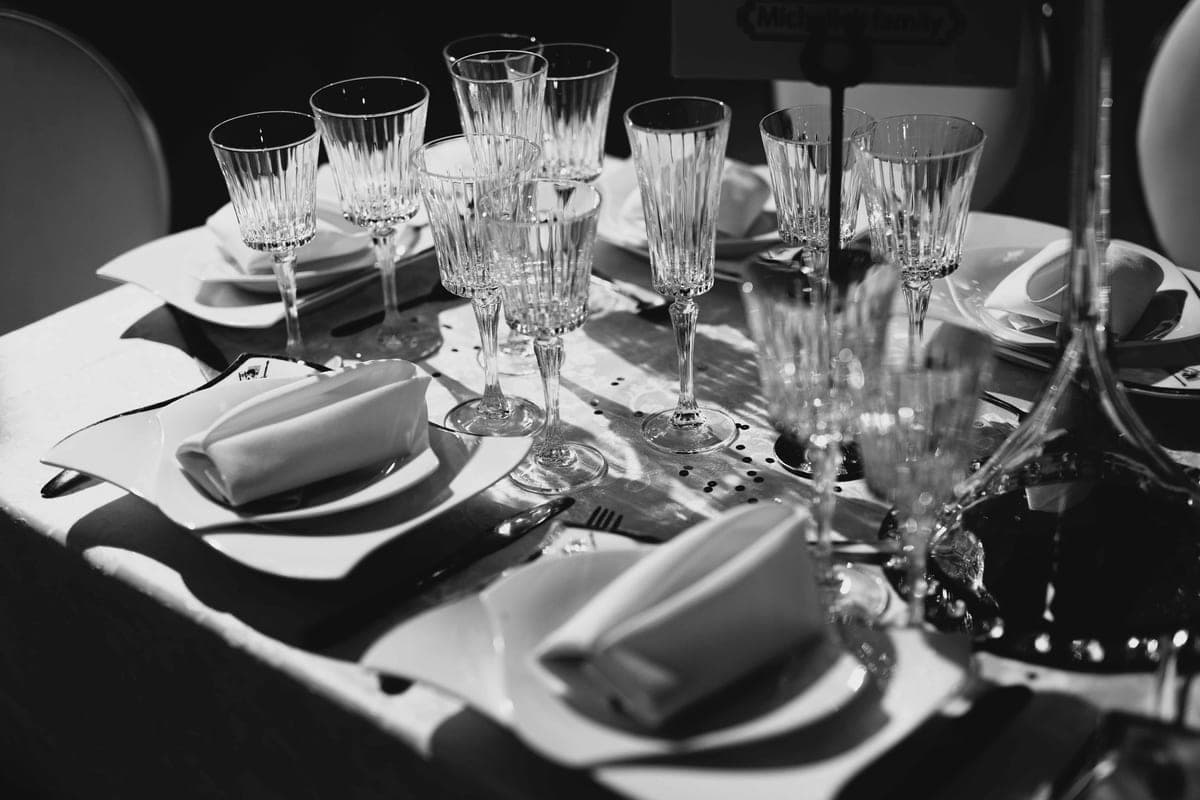
A white tablecloth on a set dining table

Polyester event tablecloths steam beautifully — hang them and work top to bottom, and a 3-liter upright will do a room's worth on one fill. Real linen and cotton damask do not. Those fibers need contact and pressure to look right, which means a press or an iron. Identify the fiber first; everything else follows from it.

We earn a commission if you buy through the links on this page, at no extra cost to you. It does not change which steamer we rank first — the ranking comes from published specifications and the arithmetic on our method page. We have not tested these units. Full disclosure.

Telling the two apart

Which cloth is which
SignalPolyesterLinen or cotton damask
FeelSmooth, slightly slick, springs backDry, crisp, holds a fold
WrinklesSoft, rounded creasesSharp creases that stay put
WeightLight for its sizeNoticeably heavy
Where it came fromRental, event supplier, bulk packHousehold, heirloom, specialist linen shop
Right toolSteamerPress or iron

Why linen refuses steam

Linen's crispness comes from stiff cellulose fibers that hold whatever shape they are dried in. Vertical steam softens them briefly, but with no pressure to reset the shape they simply re-wrinkle as they dry. This is the same reason linen shirts want an iron, and it applies just as firmly to a damask cloth.

If your table linen is real linen and you care how it looks, a wide press is the tool. Thirty-four inches of heated plate closing at once handles a cloth in a handful of passes, where an iron takes half an hour and a steamer takes none of it away.

Steaming event linen at volume

  1. 1Hang the cloths on a railA rolling garment rail is the standard trick. Hang each cloth over the bar so both halves fall free.
  2. 2Work one face top to bottomLong vertical passes. Polyester releases quickly and you rarely need a second pass.
  3. 3Turn and repeat if the cloth is heavyA single pass through a light polyester does both faces. Heavier weaves need turning.
  4. 4Stack folded over the rail, not on a tableA steamed cloth laid on a table picks up new creases from its own weight before it dries.

The picks

Ranked on published specifications. Tap a row for the full write-up; the price button goes to Amazon.

#ProductBest forSpec scorePrice
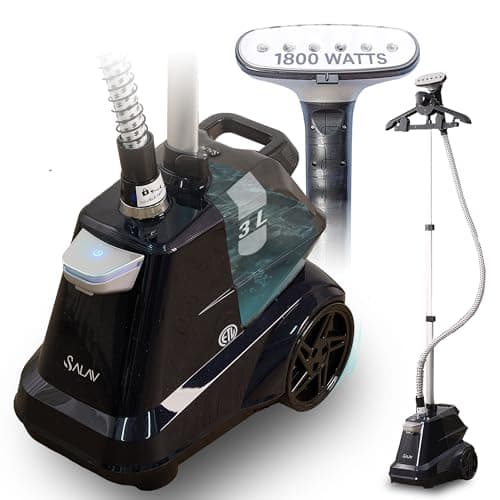
1SALAV X3A Commercial-Style SteamerSALAV X3A Commercial-Style SteamerThree liters, 1,800 watts and foot pedals — a commercial layout at a domestic price.Volume, at home7.8/10
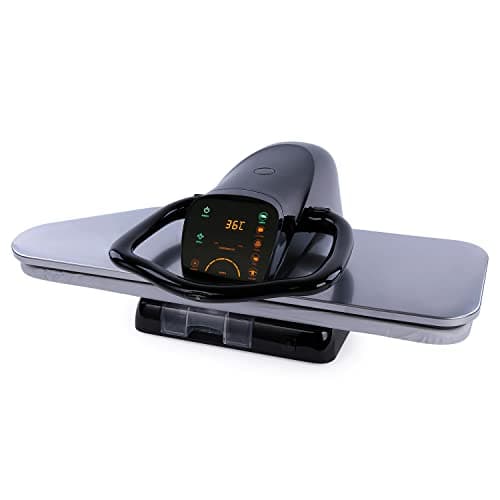
2LACIEL 34-inch Steam PressLACIEL 34-inch Steam Press1,800 watts across a 34-inch heated plate — for people who press a lot of flat cloth.Flat cloth by the dozen9.2/10
3SALAV GS18 Full-Size SteamerSALAV GS18 Full-Size Steamer1.8 liters on a 65-inch pole — the point where steaming stops being a chore.A whole wardrobe at once4.4/10
4Jiffy J-2000 Commercial SteamerJiffy J-2000 Commercial Steamer2.84 liters, a metal boiler and a three-year warranty — the machine the dry cleaner owns.Buying once5.3/10

The picks in full

SALAV X3A Commercial-Style Steamer — SALAV product photo

1. Standing · Volume, at home

SALAV X3A Commercial-Style Steamer

Three liters, 1,800 watts and foot pedals — a commercial layout at a domestic price.

7.8/10Power 10.0Tank 10.0Heat-up 5.0Portability 2.0

Computed from published specifications only — the rubric is published in full.

$149.99 · View on Amazon

#ad · how this is funded · price as of September 16, 2026

Published specifications

ModelX3A
Power1,800 W
Tank3,000 ml
Heat-up45 s
Weight12 lb
Voltage110-120V
Dimensions14.5"L x 11.42"W x 70.5"H
Warranty1 Year Warranty

Source: SALAV published specifications (Amazon listing), accessed September 2026.

What the numbers mean

Three liters is the largest tank we found outside the true commercial machines, and 1,800 watts is the practical ceiling for a US household circuit at this size.

Foot pedals matter more than they sound. Steaming a rail means constantly starting and stopping, and doing that without setting the head down is the difference between an hour and ninety minutes.

Seventy and a half inches tall. Measure the ceiling before you buy — this is nearly six feet of assembled pole.

Good

  • 3 liter tank, the largest here outside the Jiffy
  • 1,800W — the most power of any standing unit in this set
  • Foot pedal control, rare below commercial prices

Not good

  • Twelve pounds and 70.5 inches — it does not get put away
  • 45 seconds to heat three liters, so it is not a grab-and-go
  • One-year warranty against the Jiffy's three

Who should not buy it. Skip this if your ceilings are low or your storage is a closet. Seventy inches assembled is a piece of furniture.

LACIEL 34-inch Steam Press — LACIEL product photo

2. Press · Flat cloth by the dozen

LACIEL 34-inch Steam Press

1,800 watts across a 34-inch heated plate — for people who press a lot of flat cloth.

9.2/10Power 9.2

Computed from published specifications only — the rubric is published in full.

$449.99 · View on Amazon

#ad · how this is funded · price as of September 16, 2026

Published specifications

ModelLACIEL
Power1,800 W
TankNot published
Heat-upNot published
WeightNot published
Dimensions34"L x 34"W
WarrantyNot published

Source: LACIEL published specifications (Amazon listing), accessed September 2026.

LACIEL does not publish tank capacity, heat-up time, weight for this model, so those figures are excluded from the score rather than estimated.

What the numbers mean

Thirty-four inches of heated plate closing at once is a different category of tool. A shirt back is one press, not eight passes with an iron.

The maker publishes 1,800 watts and five fabric settings, and publishes neither tank capacity nor heat-up time. Two of the four figures our rubric uses are simply absent, and the score reflects only what was published.

This is the right machine for tablecloths, napkins and bed linen — flat, wide things where a steamer is the wrong tool entirely.

Good

  • 34-inch pressing surface — a shirt back in one closure
  • 1,800W, the most of any press here
  • Five published fabric settings

Not good

  • No published tank capacity or heat-up time
  • Takes a table-sized footprint and stays there
  • No use at all on anything you cannot lay flat

Who should not buy it. Skip this if your wardrobe is mostly hanging garments. A press is for flat cloth; a steamer is for everything on a hanger.

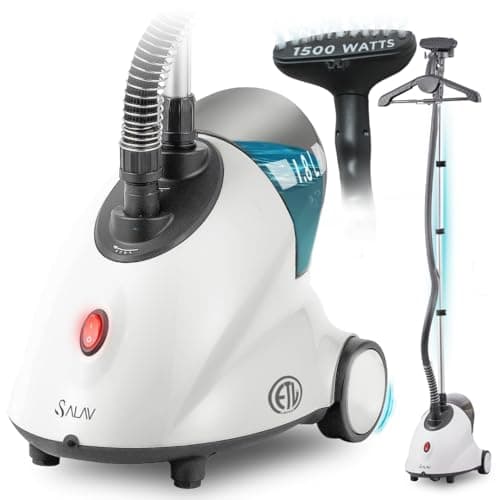
SALAV GS18 Full-Size Steamer — SALAV product photo

3. Standing · A whole wardrobe at once

SALAV GS18 Full-Size Steamer

1.8 liters on a 65-inch pole — the point where steaming stops being a chore.

4.4/10Power 5.0Tank 2.0Heat-up 5.0Portability 8.0

Computed from published specifications only — the rubric is published in full.

$82.99 · View on Amazon

#ad · how this is funded · price as of September 16, 2026

Published specifications

ModelGS18-DJ/120
Power1,500 W
Tank1,800 ml
Heat-up45 s
Weight9 lb
Voltage110-120V
Dimensions14.2"L x 11.4"W x 65"H
Warranty1 Year Warranty

Source: SALAV published specifications (Amazon listing), accessed September 2026.

What the numbers mean

A 1.8 liter tank is roughly nine times what a good handheld carries. That is the entire argument for a standing steamer: fill it once and work through a rail without stopping.

SALAV publishes 60 minutes of steam per fill. Even discounted, that is an order of magnitude more than any handheld here.

Forty-five seconds to heat from 1,500 watts is respectable given the volume of water involved — a handheld is heating 200 ml, this is heating 1,800.

Good

  • 1.8 liter tank — about an hour of continuous steam per the maker
  • 65-inch pole holds a full-length dress or coat clear of the floor
  • 1,500W with a published one-year warranty

Not good

  • Nine pounds and pole-mounted — this lives in one room
  • 45-second heat-up is slower than the best handhelds
  • Assembly required, and the pole is what people complain about

Who should not buy it. Skip this if you steam two shirts a week. A standing unit you assemble and store is more machine than that job needs.

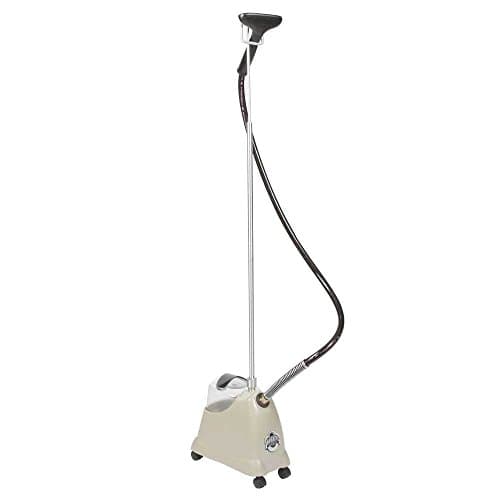
Jiffy J-2000 Commercial Steamer — Jiffy product photo

4. Commercial · Buying once

Jiffy J-2000 Commercial Steamer

2.84 liters, a metal boiler and a three-year warranty — the machine the dry cleaner owns.

5.3/10Power 1.7Tank 8.7Heat-up 4.4

Computed from published specifications only — the rubric is published in full.

$236.99 · View on Amazon

#ad · how this is funded · price as of September 16, 2026

Published specifications

Model1221
Power1,300 W
Tank2,840 ml
Heat-up2.0 min
WeightNot published
Voltage120V
Dimensions15"L x 10"W x 64"H
Warranty3 year warranty.

Source: Jiffy published specifications (Amazon listing), accessed September 2026.

What the numbers mean

The three-year warranty is the specification that separates this from everything else on the site. Every other unit here publishes one or two years, or nothing at all.

2.84 liters is the largest published tank in this set, and Jiffy rates the machine at roughly two hours of continuous steam.

Two minutes to heat is slow, and that is what heating nearly three liters in a metal boiler costs. This is a machine you switch on and then go and sort the rail.

Good

  • 2.84 liter tank — the largest here
  • Three-year warranty, three times the category norm
  • Metal boiler rather than a molded plastic tank

Not good

  • Two-minute heat-up, the slowest here
  • 1,300W is lower than the 1,800W domestic uprights
  • Costs several times what a good handheld costs

Who should not buy it. Skip this if the machine will sit idle most weeks. It is built for daily use and the price only makes sense against that.

Questions people actually ask

+Can you steam a tablecloth?

If it is polyester, yes — hang it and work top to bottom, and it will release in one pass. If it is real linen or cotton damask, steam will not hold: those fibers need contact and pressure, so use a press or an iron.

+What is the best steamer for tablecloths?

For polyester event linen, a large-tank upright — a 3-liter machine handles a room's worth on one fill. For household linen and damask, the honest answer is a wide steam press rather than a steamer at all.

+How do you get creases out of a linen tablecloth?

Press it slightly damp, on the reverse, with a hot iron or a wide press. Linen sets in whatever shape it dries in, so pressing while there is still moisture in the fiber is what makes the finish hold.