Care
Garment Steamer Safety
A steamer is a kettle you point at things. Most of the risk is understood; the electrical part usually is not.
By Scooter M., enthusiast, crease control · Published
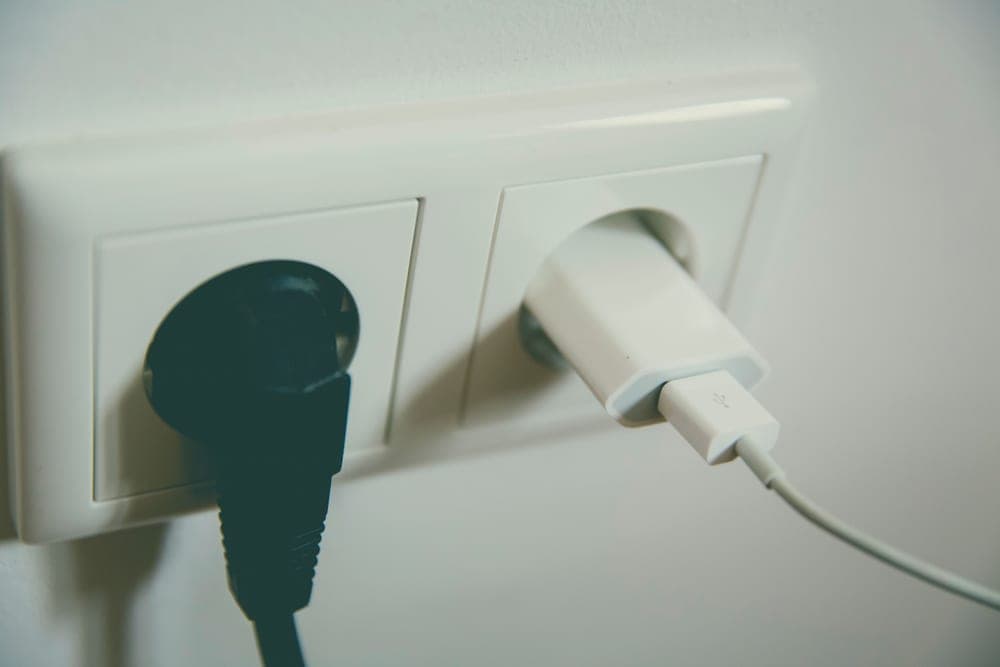
Three rules cover most of it. Never point the head at skin, at anyone else, or at a garment somebody is wearing — steam at boiling point carries several times the energy of water at the same temperature, which is why steam burns are deeper than they look. Never plug a 1,500 W-plus steamer into a light-duty extension cord or a shared power strip. And never open, tip or refill a hot unit; wait for it to cool and depressurize.
Why a steam burn is worse than a hot-water burn
Water and steam at 212F are the same temperature, and they injure very differently. Turning liquid water into vapor takes a large amount of energy — the latent heat of vaporization — and that energy is stored in the vapor. When steam meets skin it condenses back to water and releases all of it at once, on top of the heat you would get from the water alone. That is why a brief encounter with steam produces a burn out of proportion to how long it lasted.
The practical consequence: a moment's contact with the head or the plume is enough to hurt, and the injury tends to be worse than the moment felt. This is not a reason to be frightened of the machine. It is a reason to keep your free hand behind the fabric rather than in front of it.
Do not steam clothes you are wearing
It is done constantly and it is the most common way people get hurt with a steamer. There are two problems with it. The fabric holds the heat against your skin instead of letting it dissipate, and you cannot see where the plume is going because the garment is between you and it. A steamer that spits — which every steamer does occasionally, particularly before it is fully hot — delivers hot water rather than vapor straight through the cloth.
Hang the garment. If you are steaming a jacket on someone else, they should be out of it. This applies with more force to anything sheer or light, where there is less fabric between the steam and the person.
The electrical rules people skip
A garment steamer is one of the more demanding things you plug in at home. A 1,875 W unit on a 120 V supply draws about 15.6 amps, which is at or beyond the continuous rating of a standard US 15-amp circuit. That number is the ceiling the whole category runs into, and the wattage page explains why nothing on the market goes higher.
- Plug it directly into a wall outlet. Not a power strip, not a surge protector, not a light-duty extension cord. High-wattage heating appliances are exactly what those are not rated for.
- If you must use an extension cord, use a heavy one — a short, thick, appliance-rated cord rated for at least 15 amps. A thin cord under a 15-amp load heats up along its whole length, and that is a fire, not an inconvenience.
- Do not share the circuit with another heating appliance. A steamer and a space heater on the same breaker will trip it, and repeatedly tripping a breaker is a symptom rather than a nuisance.
- Never uncoil only part of a reel cord. A coiled cord under load cannot shed heat.
- Keep the cord out of the steam path. Sustained hot vapor on a power cord degrades the insulation over time.
- Never immerse the unit or run it with a damaged cord. Obvious, and worth stating because a steamer lives in a wet context.
A tripped breaker or a warm plug is the machine telling you the circuit is at its limit. Move it to another outlet rather than resetting and carrying on.
Water, pressure and refills
Handheld steamers boil a small volume of water in a sealed vessel. Opening one while it is hot can release a plume of steam and hot water at the opening, which is exactly where your hand is.
- 1Switch off and unplug before refillingEvery time, without exception. The five seconds it saves is not worth the class of accident it risks.
- 2Wait for it to coolMost manuals say several minutes. A unit that still feels warm is still holding pressure.
- 3Open the cap away from your facePoint the fill opening away from you and from anyone else in the room as you loosen it.
- 4Do not overfillThe fill line is there because the vessel needs headspace to make steam. An overfilled tank is the most common cause of spitting, which is a safety problem as well as a fabric one.
- 5Never add anything but waterNo fabric softener, no essential oils, no vinegar left in for storage, no perfume. They can foam, block the outlet or degrade seals — and some produce fumes when boiled.
Children, pets and where you set it down
A hot steamer looks like nothing in particular sitting on a table, which is precisely the problem. The head stays hot for several minutes after it is switched off, a standing unit is easy to pull over by its hose, and a cord across a doorway is a trip hazard attached to a vessel of boiling water.
- Put it down on a heat-tolerant surface, standing on its base, never face-down on a bed or a carpet.
- Route the cord along a wall rather than across a room.
- Keep children and pets out of the room while you work, not merely at a distance.
- Let it cool completely before it goes back in a cupboard — a warm unit in a closed space is how melted plastic happens.
- Never leave a plugged-in steamer unattended, even briefly. Most have auto shut-off; auto shut-off is a backstop, not a plan.
Ventilation, and the surfaces around you
Steaming puts a measurable amount of moisture into a room. In a small bathroom or a closet with the door shut, a long session raises the humidity enough to matter — condensation on cold walls, and over time the conditions mold likes. Open a door or window if you are working for a while in a small space, particularly if you are steaming curtains or upholstery, which are long jobs.
Watch what is behind the fabric, too. Steam passes through a hanging garment and lands on whatever is on the other side — wallpaper, a painted door, a wooden wardrobe, a framed picture. Hang the garment clear of anything you would not want to dampen.
The short version
| Rule | Why |
|---|---|
| Never steam a garment on a body | Fabric traps heat against skin, and spitting delivers hot water through the cloth |
| Direct wall outlet only | 1,500-1,875 W is at the edge of a 15-amp circuit; strips and thin cords are not rated for it |
| Unplug and cool before refilling | The vessel is under pressure while hot |
| Water only in the tank | Additives foam, clog the outlet and can produce fumes |
| Never unattended, never within reach of a child | It stays hot after switch-off and looks harmless |
| Twenty minutes of cool running water for a burn | Steam burns run deeper than they first appear |
Questions people actually ask
+Can a garment steamer burn you?
Yes, and more badly than boiling water at the same temperature. Steam releases its latent heat when it condenses on skin, on top of the heat of the water itself. Keep your free hand behind the fabric, never in the plume.
+Can you steam clothes while wearing them?
No. The fabric holds the heat against your skin instead of letting it disperse, and any spitting delivers hot water straight through the cloth. Hang the garment up.
+Can you plug a garment steamer into an extension cord?
Ideally not. A 1,875 W steamer draws roughly 15.6 amps, which is at the limit of a standard US 15-amp circuit. Use a wall outlet directly, or a short heavy appliance-rated cord rated for at least 15 amps -- never a light-duty cord or a power strip.
+Is it safe to leave a garment steamer on?
No. Most units have auto shut-off, but that is a backstop rather than a plan. Switch it off and unplug it whenever you step away, and let it cool before it goes back in a cupboard.
+Can you put vinegar or essential oils in a garment steamer?
Only water. Additives foam, leave residue in the outlet and can damage seals, and some produce fumes when boiled. Vinegar is used for descaling and then flushed out completely, never left in.
No product recommendation on this page. Safety advice with an affiliate link attached is advice you cannot fully trust, and nothing here depends on which steamer you own.